Port Delays Turn Waiting Time Into a Commercial Risk

Port delays are not just an operational inconvenience. When vessels wait outside ports, the cost can move into demurrage, laytime disputes, voyage margins and cargo planning.

Port delays are not just an operational inconvenience. When vessels wait outside ports, the cost can move into demurrage, laytime disputes, voyage margins and cargo planning.

War risk premiums are not just an insurance detail. When a route becomes sensitive, they can affect freight, charterparty terms, owner approval, crew risk and the real economics of a voyage.

Noon reports in shipping are no longer just daily operational updates. They shape fuel monitoring, vessel performance, emissions reporting, CII awareness, voyage decisions and the quality of data used by shore-side teams.

The Strait of Hormuz may reopen on paper, but shipping confidence does not return through announcements alone. Owners, crews, insurers and charterers still need to know that the route is safe, predictable and commercially workable before normal voyage planning can resume.

Pre-stowage planning is the early calculation of how much cargo a vessel can safely load before arrival at the loading port, considering draft, load line, water density, bunkers, ballast, port limits and voyage conditions.

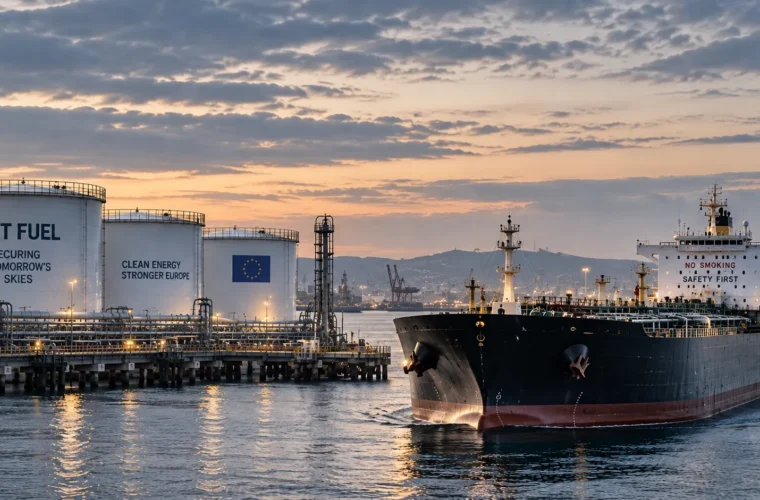
FuelEU Maritime pooling is creating a new commercial layer in shipping, where compliance surplus, deficits and penalties can affect owners, charterers and fleet strategy.

Voyage chartering in 2026 is becoming more sensitive to bunker exposure as fuel costs, freight volatility and voyage assumptions shape commercial risk.

AI in shipping is moving from hype to practical value, but real adoption depends on data quality, operational workflows and trust in the decisions it supports.

Ship leasing is becoming a larger part of maritime finance as owners use sale-and-leaseback structures to release capital, manage balance sheets and support fleet renewal.

Tanker markets remain cautious as Hormuz risk, oil flows, insurance costs and vessel availability shape freight sentiment in mid-June. The market is watching whether safe and regular transits can restore confidence.