Markets / Operations
Hormuz Evacuation Plan: Safe Passage Does Not Mean Normal Trade
The Hormuz evacuation plan is a reminder that shipping does not return to normal simply because a route becomes passable again. When vessels are moved through a high-risk chokepoint under controlled conditions, owners, charterers, insurers and masters still have to deal with waiting time, routing uncertainty, insurance exposure and crew safety.
The Strait of Hormuz is not just another shipping lane. It is one of the world’s most important maritime chokepoints, carrying energy flows, tanker traffic, LNG movements and wider commercial shipping between the Gulf and global markets.
That is why the Hormuz evacuation plan matters. It is not only a humanitarian and operational measure for ships and seafarers in the region. It is also a signal to the market that “safe passage” and “normal trade” are not the same thing.
Ships may be able to move. But if movement is phased, controlled, insured under special conditions or dependent on temporary routing instructions, the voyage is still exposed to risk. For shipping markets, the real question is not only whether vessels can pass. It is whether they can pass safely, predictably and commercially.
Editorial Note
This Tide Signal analysis looks at the operational and commercial meaning of the Hormuz evacuation plan. It does not reproduce any paywalled article. The focus is on what controlled safe passage means for shipping risk, vessel movement, insurance exposure and market confidence.
Hormuz Evacuation Plan Snapshot
- Main issue: Ships and seafarers need controlled safe passage through a high-risk maritime corridor.
- Operational risk: Vessels may have to wait for instructions, assigned transit windows or temporary routes.
- Commercial risk: Delay, insurance cost, war risk exposure and charterparty uncertainty can affect the voyage result.
- Market signal: A route can reopen before confidence fully returns.
What the Hormuz Evacuation Plan Changes
In normal conditions, a commercial vessel follows voyage orders, port instructions, traffic separation schemes and standard navigation procedures. In a high-risk situation, that changes. Vessel movement can become controlled, sequenced and dependent on external coordination.
That is the practical meaning of the Hormuz evacuation plan. It moves the discussion away from a simple question — “is the Strait open?” — and towards a more difficult one: under what conditions can ships actually move?
For vessels already inside the region, the priority is safe exit. For vessels outside the region, the decision is different: whether entering the area is still justified once waiting time, insurance, routing and crew safety are included in the voyage assessment.
Safe Passage Is Not the Same as Normal Trade
Safe passage is a controlled operation. Normal trade is a stable commercial environment. The two can overlap, but they are not identical.
A vessel may be allowed to move through a corridor while the market still prices the area as risky. Insurers may still apply additional conditions. Charterers may still face higher freight indications. Owners may still hesitate before accepting new employment into the region.
This is why the Hormuz evacuation plan is important for shipping markets. It suggests that movement can restart before confidence is fully restored.
How Controlled Passage Affects Shipping Risk
| Risk Area | Why It Matters |
|---|---|
| Waiting time | Ships may wait offshore or inside the region until they receive movement instructions or an assigned transit window. |
| Temporary routing | Alternative routes or controlled corridors may change distance, timing, fuel use and navigational planning. |
| Insurance exposure | War risk premiums, special conditions or restricted cover can change the true cost of the voyage. |
| Charterparty risk | Delay, deviation, war risk clauses, safe port wording and extra cost allocation can become disputed points. |
| Crew safety | Seafarers are directly exposed to uncertainty, fatigue, stress and operational pressure during prolonged disruption. |
| Market confidence | Freight and vessel availability may remain cautious even after vessels begin moving again. |
Why Ships May Still Wait Even After a Plan Is Announced
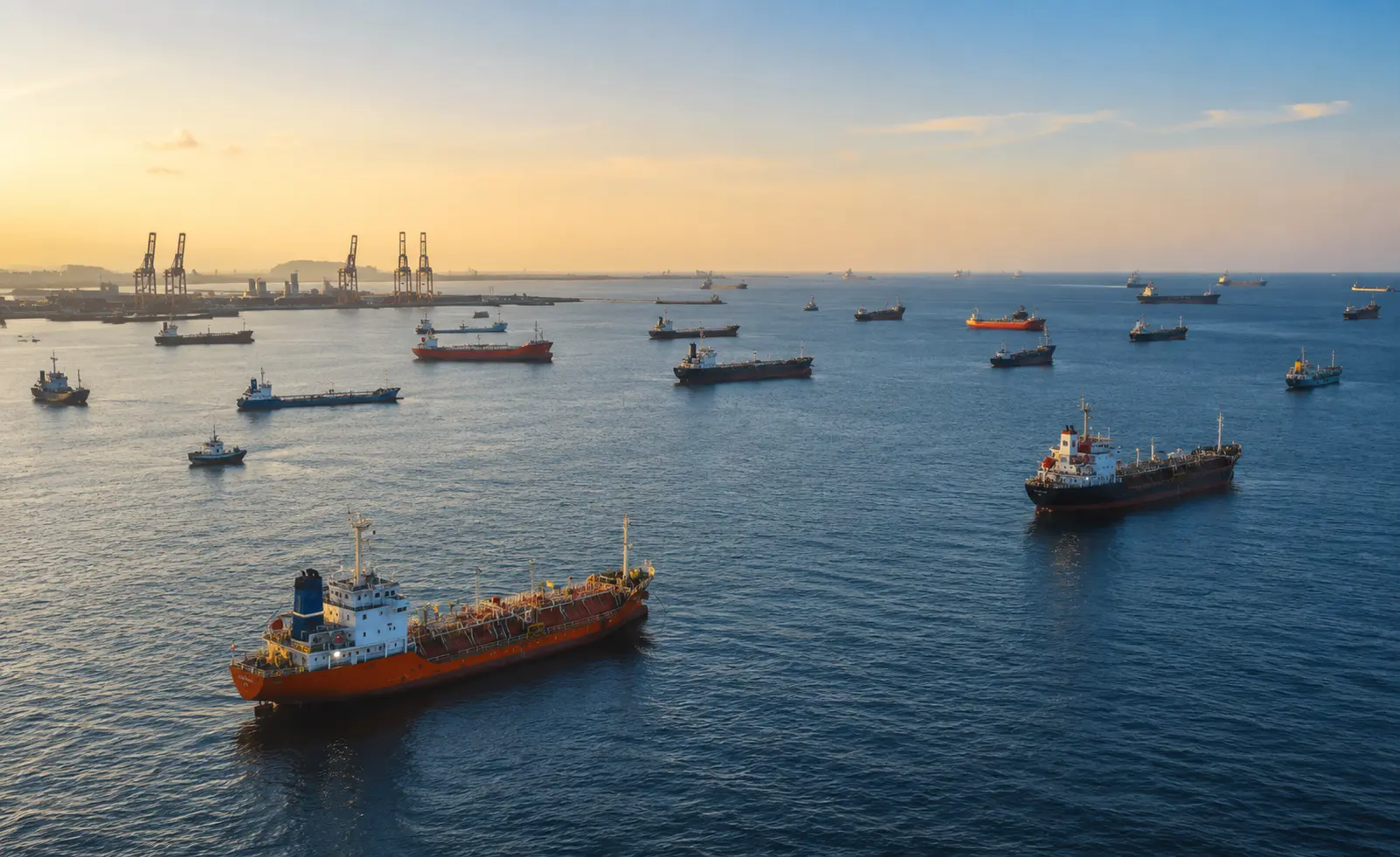
A plan does not automatically mean immediate movement for every ship. In a crowded or high-risk maritime area, moving too many vessels at once can create new navigational and security problems.
Controlled passage often means prioritisation. Some ships may move first. Others may be contacted later. Some vessels may wait for updated instructions, security confirmation, insurance approval or route clarification.
For the market, that waiting time matters. A vessel that is technically able to sail may still not be commercially available. Cargo may be delayed. Laycan windows may come under pressure. Charterers may need to adjust their expectations.
Editor’s View
The most important signal from Hormuz is not that ships can simply start moving again. It is that the return of movement may need to be managed like an operation, not like a normal fixture. That difference is where the commercial risk sits.
The Insurance Question Behind Safe Passage
Insurance is one of the first areas where risk becomes visible in shipping economics. A voyage through a high-risk area may require additional war risk cover, higher premiums, special approval or compliance with underwriter conditions.
That can change the economics of a voyage very quickly. A freight rate that looks attractive on paper may be less attractive once extra premium, waiting time, deviation risk and bunker consumption are included.
This is why the Hormuz evacuation plan matters beyond the safety of the route itself. It also affects how owners and charterers read the real cost of moving cargo through the area.
The Charterparty Question: Who Carries the Cost?
When a voyage is affected by high-risk conditions, the commercial question often becomes contractual. Who pays additional war risk premium? Who absorbs delay? Is deviation allowed? Can the owner refuse an order if the route is unsafe? Can the charterer insist on a transit if the risk environment remains uncertain?
The answer depends on the charterparty form, negotiated clauses, voyage orders, insurance terms and the facts at the time. In practice, these questions are rarely simple when a live crisis affects vessel movement.
For voyage charterers, the exposure may appear through freight, demurrage, laytime, delay and deviation. For time charterers, the issue may involve employment orders, off-hire arguments, bunker consumption and additional premiums. For owners, the risk is more direct: vessel safety, crew safety, insurance compliance and asset exposure.
Why Masters Remain Central to the Decision
Even when governments, agencies and industry bodies coordinate a safe passage plan, the master remains central to the safe execution of the voyage.
The master must consider navigation warnings, company instructions, security advisories, crew readiness, vessel condition, route planning, communications and the actual situation at sea.
In high-risk waters, the master is not simply following a commercial schedule. The master is making a safety judgement under commercial pressure.
What Shipowners Should Watch
- Whether the vessel has confirmed transit or evacuation instructions.
- Whether war risk insurance remains valid for the intended route.
- Whether the charterparty allows refusal, delay or deviation under the circumstances.
- Whether crew fatigue and stress have been properly assessed.
- Whether route planning reflects temporary navigation arrangements.
- Whether all communications with charterers, insurers and authorities are properly documented.
What Charterers Should Watch
- Whether freight indications include the real risk premium.
- Whether cargo timing can absorb waiting time or controlled movement.
- Whether laytime, demurrage and deviation clauses are clear.
- Whether alternative routing changes the economics of the fixture.
- Whether the voyage remains attractive after insurance and delay costs.
- Whether cargo interests understand that safe passage may still be phased and controlled.
The Human Side: Seafarers Are Not Cargo
The Hormuz evacuation plan also highlights something that is often missing from market discussion. Behind every vessel are seafarers waiting for instructions, managing uncertainty and keeping ships safe while commercial decisions are being made around them.
In high-risk areas, crew welfare is not a secondary issue. Fatigue, stress, prolonged waiting and uncertainty can all affect operational performance.
Any safe passage plan must therefore protect both the vessel and the people onboard.
Market Impact: Freight May React Before Confidence Returns
Shipping markets often price risk before the full operational picture is clear. Freight rates, vessel availability, insurance cost and fixture appetite can all move quickly when a chokepoint becomes uncertain.
Confidence usually returns more slowly. Owners may wait for repeated safe transits. Charterers may wait for clearer cost allocation. Insurers may wait for stronger evidence that the risk environment has stabilised.
This is why early movement through Hormuz would not automatically remove risk pricing from the market. The route may reopen before the market fully trusts it.
Why Hormuz Remains a Strategic Shipping Signal
Hormuz is not just a regional issue. It is a global shipping signal because of its role in energy trade, tanker positioning, LNG flows and wider maritime confidence.
When vessel movement through this corridor becomes uncertain, the effect can spread into freight markets, bunker planning, insurance pricing, cargo scheduling and operational risk management.
For maritime businesses, the lesson is clear: chokepoint risk is not theoretical. It can become a live operational constraint that changes the economics of a voyage almost immediately.
Final View
The Hormuz evacuation plan should not be read as a simple sign that trade has returned to normal. It should be read as evidence that shipping is moving from crisis paralysis into controlled risk management. That is progress, but it is not normality.
Final Thoughts
Safe passage through the Strait of Hormuz may allow ships and seafarers to move, but the commercial and operational consequences do not disappear immediately.
Owners must consider vessel and crew safety. Charterers must consider cost and delay. Insurers must assess risk. Masters must execute the voyage under real conditions, not theoretical assumptions.
In shipping, a route is not truly normal until vessels can pass safely, predictably, insured and without extraordinary commercial uncertainty. Hormuz may reopen before confidence fully returns.
FAQ: Hormuz Evacuation Plan and Shipping Risk
What is the Hormuz evacuation plan?
The Hormuz evacuation plan refers to a coordinated effort to move ships and seafarers through the Strait of Hormuz under controlled safe passage arrangements.
Does safe passage mean normal trade has returned?
Not necessarily. Safe passage may allow vessels to move, but normal trade also requires predictable routing, insurance confidence, clear risk allocation and stable operating conditions.
Why is the Strait of Hormuz important for shipping?
The Strait of Hormuz is a critical maritime chokepoint for energy and commercial shipping. Disruption in the area can affect tanker markets, LNG movements, insurance premiums and freight pricing.
How can the Hormuz evacuation plan affect charterers?
Charterers may face higher freight costs, delay exposure, uncertainty over laytime or demurrage, and questions over who pays for additional insurance or deviation costs.
What should shipowners consider before transit?
Shipowners should consider crew safety, insurance cover, official routing instructions, charterparty clauses, vessel readiness, communications and whether the voyage remains safely executable.
Why can ships still wait offshore during safe passage?
Ships may wait offshore because controlled passage can require assigned transit windows, temporary routes, security confirmation, insurance approval and coordination with authorities.