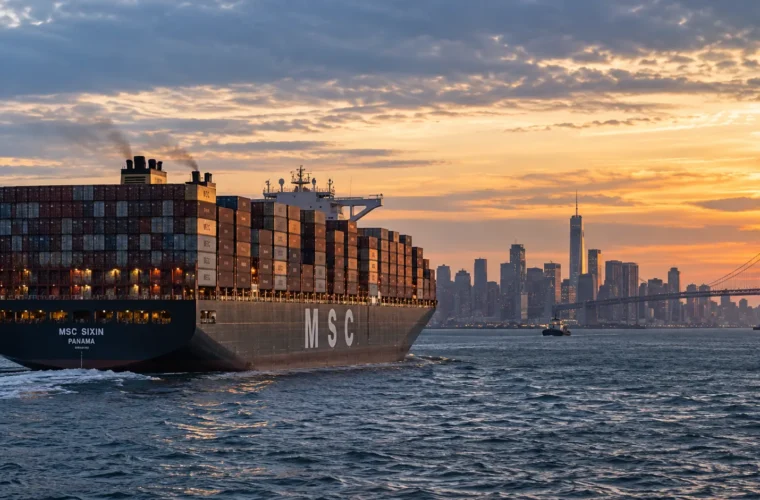
Maritime Cyber Risk in 2026: Why Digital Shipping Needs Operational Resilience

Digital shipping brings speed and efficiency, but also new cyber exposure. Maritime cyber risk now belongs inside operations, safety and commercial planning.
Practical coverage of vessel operations, cargo handling, port calls, bridge procedures, noon reports, maintenance, PMS, safety and onboard decision-making.

Digital shipping brings speed and efficiency, but also new cyber exposure. Maritime cyber risk now belongs inside operations, safety and commercial planning.

Maritime chokepoints are not just narrow passages on a map. They shape voyage planning, freight markets, insurance costs, delays and global trade risk.

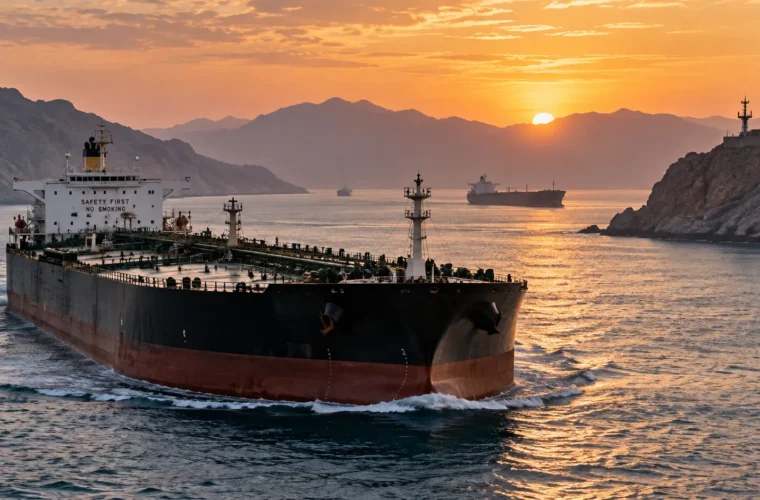
The Strait of Hormuz remains a live operational risk for shipping companies. Here is what owners, charterers and operators should monitor next.

Ice navigation in shipping demands more than normal voyage planning. Winter conditions can affect speed, visibility, steering, machinery, deck safety and commercial schedules. This guide explains what ships must consider before and during navigation in ice or freezing conditions.

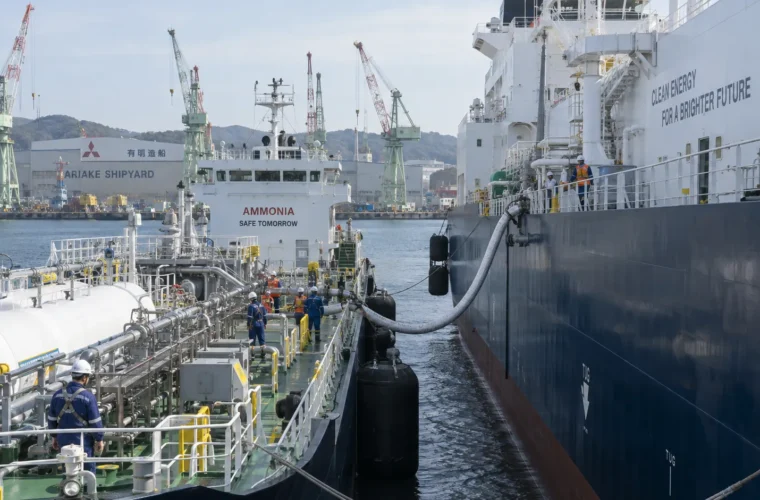
Ship-to-Ship operations allow cargo to be transferred between tankers at sea or anchorage, but they require careful planning, clear communication, safety controls and pollution prevention. This guide explains how STS operations work and why they matter.

The Hormuz evacuation plan shows that safe passage is not the same as normal trade. Controlled movement, waiting time, insurance exposure and operational instructions now shape the real shipping risk.

Port State Control inspections can create delays, deficiencies and detention risk if a ship is not properly prepared. This guide explains what vessels should check before arrival, from certificates and safety equipment to crew readiness, ISM records and housekeeping.

Ballast Water Treatment Systems are now part of daily ship operations. This guide explains the main BWTS types, IMO rules and the operational risks that can affect port calls and compliance.

Port delays are not just an operational inconvenience. When vessels wait outside ports, the cost can move into demurrage, laytime disputes, voyage margins and cargo planning.

Noon reports in shipping are no longer just daily operational updates. They shape fuel monitoring, vessel performance, emissions reporting, CII awareness, voyage decisions and the quality of data used by shore-side teams.