Strait of Hormuz Watch: What Shipping Companies Should Monitor Next

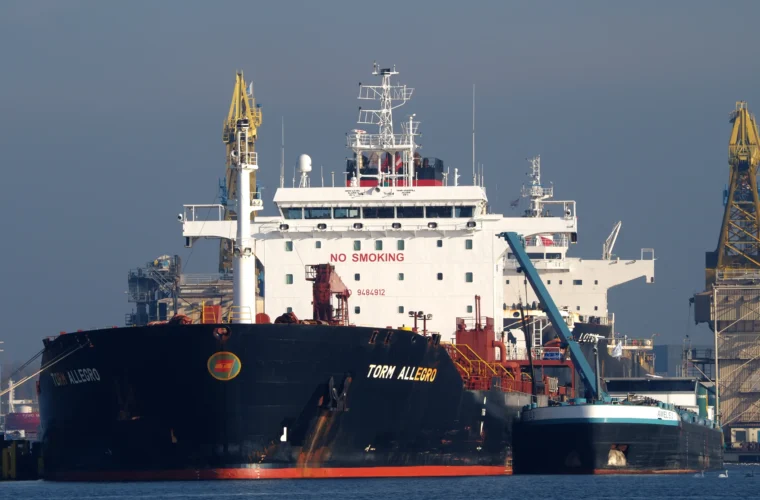
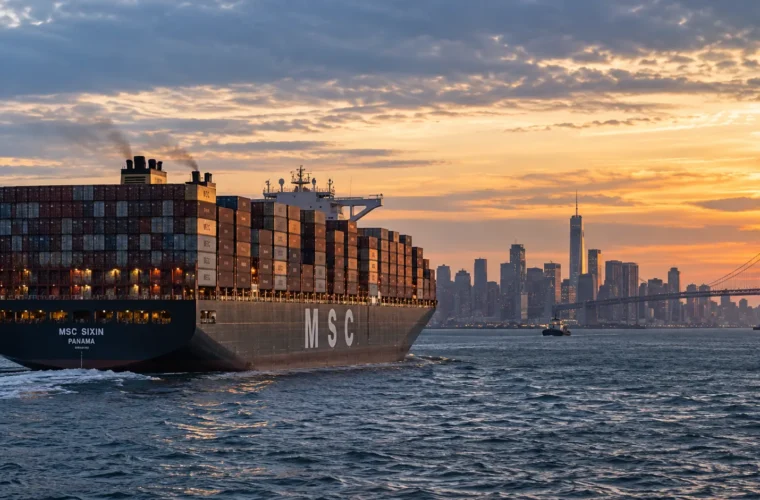
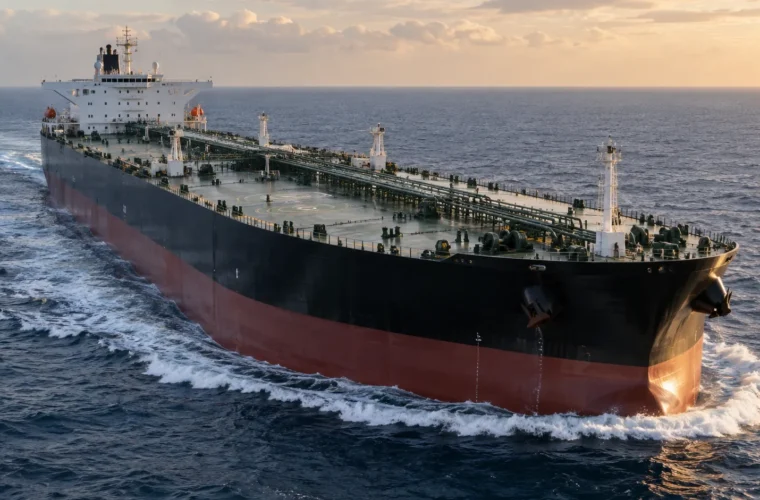
The Strait of Hormuz remains a live operational risk for shipping companies. Here is what owners, charterers and operators should monitor next.
Shipping finance coverage on vessel investment, ship values, funding, capital markets, deals and the economics of maritime business.

The Strait of Hormuz remains a live operational risk for shipping companies. Here is what owners, charterers and operators should monitor next.

War risk premiums are not just an insurance detail. When a route becomes sensitive, they can affect freight, charterparty terms, owner approval, crew risk and the real economics of a voyage.

The Strait of Hormuz may reopen on paper, but shipping confidence does not return through announcements alone. Owners, crews, insurers and charterers still need to know that the route is safe, predictable and commercially workable before normal voyage planning can resume.

FuelEU Maritime pooling is creating a new commercial layer in shipping, where compliance surplus, deficits and penalties can affect owners, charterers and fleet strategy.

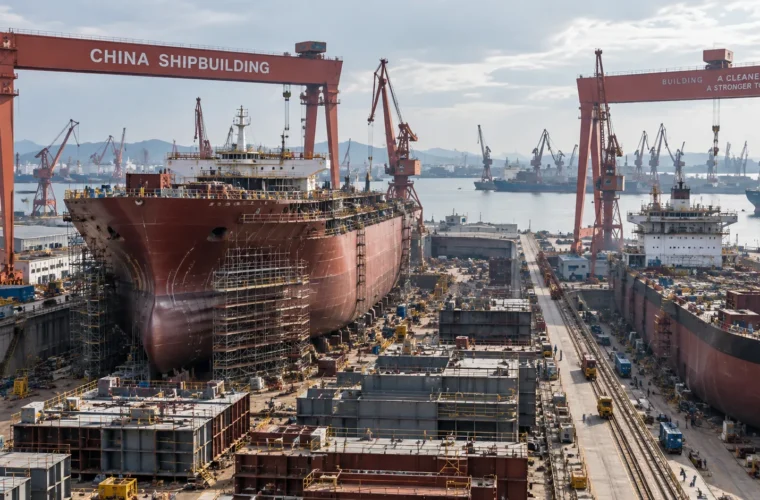
Ship leasing is becoming a larger part of maritime finance as owners use sale-and-leaseback structures to release capital, manage balance sheets and support fleet renewal.

Ship finance remains active as high vessel values, alternative lenders and stronger owner balance sheets reshape maritime lending in 2026.

Shipping finance is changing. Carbon exposure, regulation and vessel efficiency are becoming part of how banks, owners and investors assess maritime risk.