
Operations / Academy / Regulation
Port State Control Inspection: What Ships Must Prepare Before Arrival
A Port State Control inspection can be routine, targeted or commercially disruptive. Before arrival, the vessel must be ready to present valid certificates, demonstrate safety equipment, explain operational records and show that the crew understands its duties. Good preparation protects the ship from delays, deficiencies and detention risk.
Port State Control inspections are a normal part of international shipping. For the crew onboard, however, they can quickly become a high-pressure event. A vessel may be technically sound and commercially ready, but if documents are missing, safety equipment is not ready, records are inconsistent or crew members cannot answer basic operational questions, the inspection can become a serious problem.
For the wider context, see Tide Signal’s SOLAS Chapter VI Explained.
For shipowners, managers, operators, charterers and seafarers, PSC preparation is not just paperwork. It is part of voyage readiness, compliance discipline and operational risk management.
This Tide Signal Academy guide explains what ships should prepare before a Port State Control inspection and why a clean, organised and well-documented vessel is more likely to pass inspection without unnecessary disruption.
Operational Note
This article is written as a practical operational guide. It does not replace the vessel’s Safety Management System, flag state requirements, class guidance, port instructions, company procedures or the master’s final judgement. Every ship should follow its approved manuals, checklists and official inspection guidance.
For the SOLAS requirements behind life-saving appliance inspections, see Tide Signal’s SOLAS Chapter III life-saving appliances guide.
PSC Inspection Snapshot
- Main purpose: To verify that a foreign ship complies with applicable safety, environmental, security and labour requirements.
- Main risk: Deficiencies, delay, detention, reputational damage and commercial disruption.
- Main preparation areas: Certificates, safety equipment, crew readiness, ISM records, PMS history, bridge records and engine room condition.
- Best approach: Prepare before arrival, organise records clearly and make sure the crew can demonstrate real operational familiarity.
What Is a Port State Control Inspection?
Port State Control, often called PSC, is an inspection carried out by the authorities of a port state to check whether a foreign vessel meets international maritime standards. The inspection may cover certificates, safety equipment, pollution prevention, crew certification, working and living conditions, navigation, machinery spaces and onboard procedures.
A PSC inspection may be routine, targeted or triggered by risk factors. These may include the vessel’s age, ship type, flag performance, company history, previous deficiencies, inspection profile or reported issues before arrival.
The purpose is not only to check paperwork. The inspector wants to see whether the ship is safely managed, properly manned, operationally controlled and not a risk to the port, the crew, the cargo or the marine environment.
Why PSC Preparation Matters
A poor PSC result can create consequences beyond the inspection itself. A vessel may receive deficiencies, be delayed from sailing or, in serious cases, be detained until corrective actions are completed and accepted.
For the commercial side of shipping, this can affect voyage schedules, port rotation, charterparty performance, cargo operations, vetting reputation and the company’s standing with charterers or terminals.
Good preparation does not mean hiding problems. It means making sure the vessel is clean, organised, compliant and ready to demonstrate how it operates. A ship that can present documents quickly, explain records clearly and demonstrate equipment confidently creates a stronger inspection impression from the beginning.
Main PSC Preparation Areas
| Area | What the Ship Should Prepare |
|---|---|
| Certificates | Valid statutory certificates, endorsements, class documents, flag documents and crew certification ready for quick presentation. |
| Previous deficiencies | Evidence that previous PSC, flag, class or internal findings have been corrected and properly closed. |
| Safety equipment | Firefighting, lifesaving, emergency generator, emergency lighting, alarms and escape arrangements ready for inspection or demonstration. |
| Bridge readiness | Passage plan, ECDIS checks, GMDSS, charts, publications, standing orders, night orders and navigation records updated. |
| Engine room | Clean bilges, controlled leaks, OWS records, Oil Record Book, emergency generator, steering gear and machinery maintenance records. |
| ISM and PMS | Maintenance history, overdue tasks, drills, risk assessments, permits, internal audits, safety meetings and corrective actions. |
| Crew readiness | Crew certificates, medicals, rest hours, emergency duties, muster list familiarity and practical knowledge of onboard procedures. |
| Housekeeping | Clean working areas, clear escape routes, proper markings, accessible fire stations and organised accommodation spaces. |
1. Check All Main Certificates
The first area to prepare is the ship’s certification file. Certificates should be valid, correctly endorsed, properly filed and easy to present. Officers should know exactly where each certificate is located and whether any document includes conditions, extensions or remarks.
Important documents usually include the Certificate of Registry, Safety Management Certificate, Document of Compliance copy, International Ship Security Certificate, Cargo Ship Safety Construction Certificate, Cargo Ship Safety Equipment Certificate, Cargo Ship Safety Radio Certificate, International Load Line Certificate, International Oil Pollution Prevention Certificate, Minimum Safe Manning Document, Maritime Labour Certificate and crew certification.
For the wider context, see Tide Signal’s MARPOL Annexes Explained.
The point is not only that the documents exist. The vessel must be able to produce them quickly and confidently. If a certificate is valid but difficult to find, badly organised or not properly endorsed, it can still create a weak first impression.
2. Review Previous Deficiencies Before Arrival
Before arrival, the master and responsible officers should review previous PSC deficiencies, flag inspection findings, class comments, vetting observations and internal audit results. Inspectors often pay close attention to repeat deficiencies.
If the vessel has previously been marked for issues related to fire doors, emergency lighting, lifeboats, oily water separator records, charts, crew rest hours, maintenance records or emergency equipment, those areas should be checked carefully before the next port call.
A closed deficiency should also be supported by evidence. This may include service reports, repair records, photographs, work orders, spare part records, updated procedures, PMS entries or logbook references.
Editor’s View
Repeat deficiencies are one of the clearest signs of weak onboard control. A single defect may be treated as an isolated issue. A repeated defect tells a different story: the vessel may not be learning from previous inspections.
3. Prepare Safety Equipment for Demonstration
PSC inspections are not limited to paperwork. Inspectors may ask the crew to demonstrate equipment or explain emergency procedures. This is where poor preparation can quickly become visible.
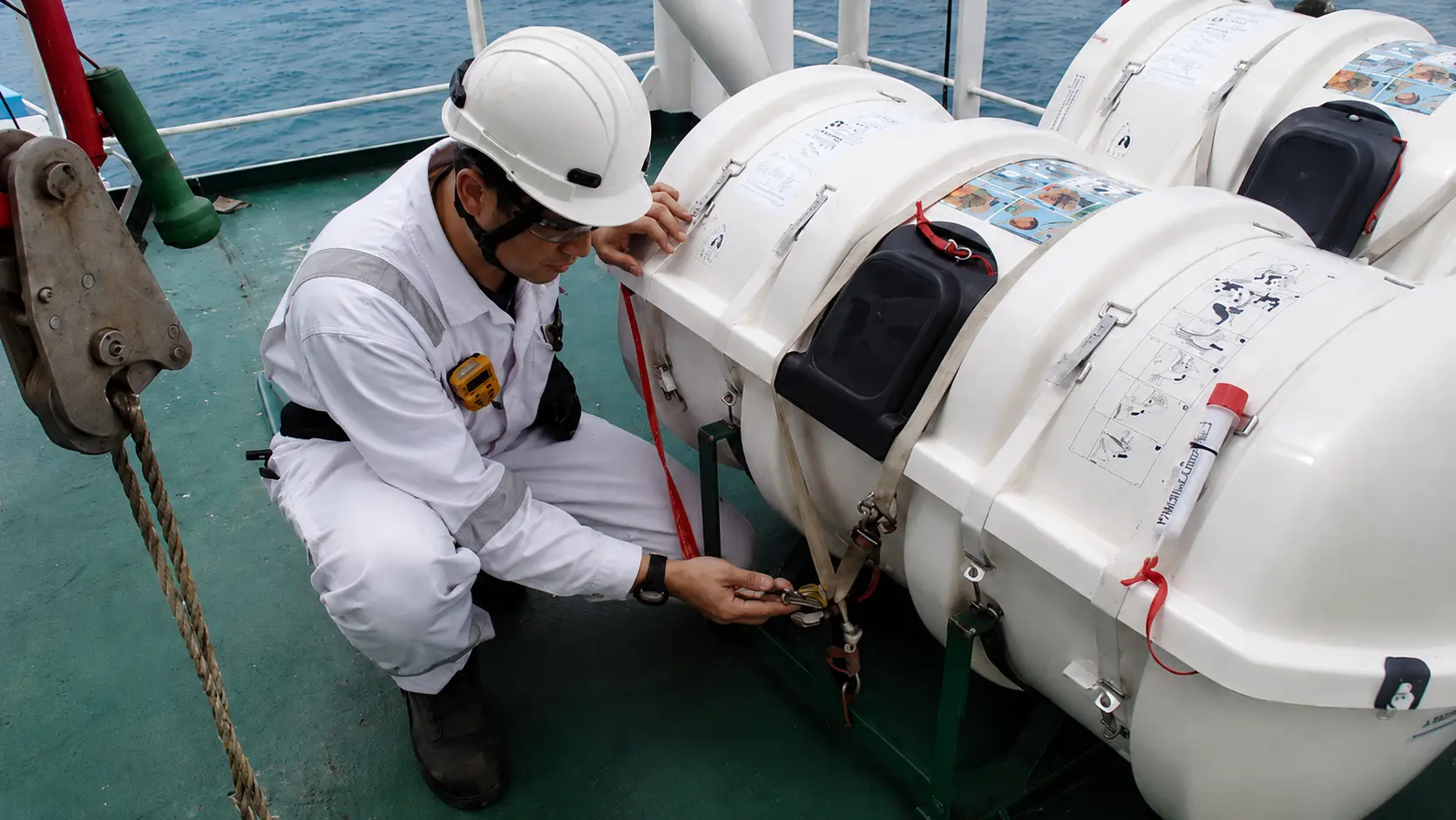
Equipment that may be checked includes fire pumps, emergency generator, emergency lighting, fire dampers, quick closing valves, lifeboat launching arrangements, rescue boat equipment, breathing apparatus, emergency stops, alarms and emergency escape routes.
Common weak points include fire doors not closing properly, emergency exits blocked, fire extinguishers not correctly marked, lifeboat equipment missing or expired, emergency lights not working, fire dampers stiff or incorrectly labelled, breathing apparatus bottles not fully charged, EEBDs not properly located and muster lists not updated.
A ship may have good equipment onboard, but if the crew cannot operate it confidently during inspection, the result can still become negative.
4. Check Navigation and Bridge Readiness
The bridge is one of the most important areas during inspection. Officers should ensure that navigation equipment, charts, publications, passage plan and bridge records are properly maintained and ready for review.
Important checks include the berth-to-berth passage plan, ECDIS route validation, chart corrections, nautical publications, GMDSS equipment, AIS settings, VDR status, radar performance, magnetic compass records, bridge checklists, master’s standing orders, night orders and port approach documentation.
Inspectors may ask questions about the passage plan, under-keel clearance, no-go areas, contingency planning, arrival procedures and bridge team management. A clean bridge with updated records gives confidence that navigation is controlled and not treated as a formality.
5. Review Engine Room and Machinery Records
The engine room is another high-risk inspection area. Engineers should ensure that machinery spaces are clean, bilges are controlled, leaks are addressed and emergency systems are ready.
Important areas include oily water separator records, Oil Record Book, bilge system arrangement, sewage treatment system, incinerator records, fuel changeover procedures, bunker delivery notes, main engine and auxiliary engine maintenance, emergency generator test records, steering gear test records and critical equipment status.
Pollution prevention is especially important. Any inconsistency between records, equipment condition and actual operation can create serious questions. The engine room should tell the same story as the records.
Common PSC Weak Points
- Expired or incorrectly endorsed certificates.
- Incomplete Oil Record Book or inconsistent pollution prevention records.
- Blocked escape routes or poor emergency lighting.
- Fire doors, dampers or quick closing valves not operating correctly.
- Overdue PMS tasks without clear explanation or corrective plan.
- Crew unfamiliarity with emergency duties or equipment operation.
- Rest hour records that appear unrealistic or inconsistent with operations.
- Poor housekeeping in deck, engine room or accommodation spaces.
6. Prepare ISM and PMS Records
The Safety Management System must not exist only on paper. PSC officers may review planned maintenance records, drills, risk assessments, permits to work, internal audits, non-conformities, safety meeting minutes and corrective action records.
The Planned Maintenance System should show that critical equipment is maintained on time. If maintenance tasks are overdue, the vessel should have a clear explanation, risk assessment or corrective plan.
Useful records include PMS history, critical equipment list, maintenance reports, defect reports, risk assessments, work permits, near-miss reports, safety meeting minutes, drill records, internal audit findings and corrective action reports.
A well-maintained PMS gives the inspector a clear picture that the vessel is controlled, monitored and not operating reactively.
7. Check Crew Certificates and Rest Hours
Crew documentation is a common inspection area. The vessel should verify that all crew certificates, endorsements, medical certificates, contracts and training records are valid and available.
Rest hours must also be accurate and realistic. Inspectors may compare rest hour records with logbooks, watch schedules, arrival and departure operations, drills and cargo operations. If the records appear artificial or inconsistent, this can create additional questions.
The crew should also be familiar with emergency duties, muster stations, abandon ship procedures, fire duties and pollution response roles. During PSC, crew knowledge is often as important as the documents themselves.
8. Housekeeping and First Impression
First impression matters. A clean deck, organised bridge, tidy engine room, clear escape routes and properly marked equipment create confidence before the detailed inspection even begins.
Poor housekeeping can lead inspectors to look deeper. Before arrival, the vessel should check escape routes, deck lighting, mooring areas, fire stations, engine room cleanliness, galley hygiene, accommodation condition, garbage management, safety signs, watertight doors, railings and ladders.
Housekeeping is not cosmetic. It is often a visible sign of operational discipline.
9. Crew Familiarity Matters
PSC inspections often include direct questions to crew members. An officer or rating may be asked how to operate equipment, where to muster, how to report a fire, how to launch a lifeboat or how to respond to pollution.
The crew does not need to sound rehearsed, but they must show basic familiarity with their duties. Before arrival, officers should brief the crew in a calm and practical way.
The goal is not to create fear. The goal is to make sure everyone knows their role and understands the ship’s basic emergency arrangements.
Practical PSC Preparation Checklist
- Main statutory certificates checked and ready.
- Crew certificates, medicals and endorsements reviewed.
- Previous PSC, flag, class and internal findings reviewed.
- Fire safety equipment checked and accessible.
- Lifesaving appliances ready for inspection.
- Emergency generator and emergency lighting tested.
- Bridge equipment, passage plan and records updated.
- Engine room clean, controlled and properly documented.
- Oil Record Book and pollution prevention records checked.
- PMS overdue tasks reviewed with corrective plans.
- Drill records, safety meetings and risk assessments available.
- Rest hours checked for accuracy and consistency.
- Muster list updated and crew familiar with emergency duties.
- Escape routes, safety signs and fire stations clear.
- General housekeeping completed before arrival.
Commercial Impact of a Poor PSC Result
A PSC deficiency is not only a technical issue. For charterers and operators, inspection results can affect vessel reputation, port schedules and commercial trust.
A detention may delay loading or discharge, disturb voyage planning and create additional costs. It may also affect the vessel’s future inspection profile, vetting perception and the confidence of charterers, cargo interests and terminals.
This is why PSC preparation should be treated as part of voyage readiness. A vessel that arrives commercially ready but operationally unprepared can still become a commercial risk.
Final View
Port State Control preparation is not about creating a perfect-looking ship for one inspection. It is about proving that the vessel is safely managed every day. The best-prepared ships are not only clean and organised; they can show through records, equipment condition and crew familiarity that their safety system works in practice.
Final Thoughts
Port State Control inspections are part of normal shipping operations, but the outcome depends heavily on preparation. A vessel that is organised, clean, properly documented and operationally ready gives inspectors confidence.
The best preparation starts before arrival: certificates checked, records reviewed, equipment tested, crew briefed and defects corrected.
In shipping, compliance is not only about passing inspections. It is about proving that the vessel is professionally managed, operationally controlled and safe to continue trading.
FAQ: Port State Control Inspection
What is a Port State Control inspection?
A Port State Control inspection is an inspection carried out by port authorities to check whether a foreign ship complies with international maritime safety, environmental, security and labour requirements.
Can a ship be detained after a PSC inspection?
Yes. If serious deficiencies are found, a ship may be detained until corrective actions are completed and accepted by the relevant authority.
What documents are usually checked during PSC?
Commonly checked documents include statutory certificates, crew certificates, safety management records, pollution prevention records, logbooks, rest hours and maintenance records.
Why do PSC deficiencies matter commercially?
PSC deficiencies can cause delays, damage vessel reputation, affect charterparty performance and increase operational pressure on the owner, manager and crew.
How can a ship prepare before arrival?
The vessel should review certificates, previous deficiencies, safety equipment, bridge and engine room records, PMS tasks, crew readiness, rest hours and general housekeeping.