Maritime Chokepoints Explained: Why Hormuz, Suez and Malacca Shape Shipping Risk

Maritime chokepoints are not just narrow passages on a map. They shape voyage planning, freight markets, insurance costs, delays and global trade risk.
Shipping market analysis covering freight rates, dry bulk trends, tankers, fuel costs, indices and maritime trade signals.

Maritime chokepoints are not just narrow passages on a map. They shape voyage planning, freight markets, insurance costs, delays and global trade risk.

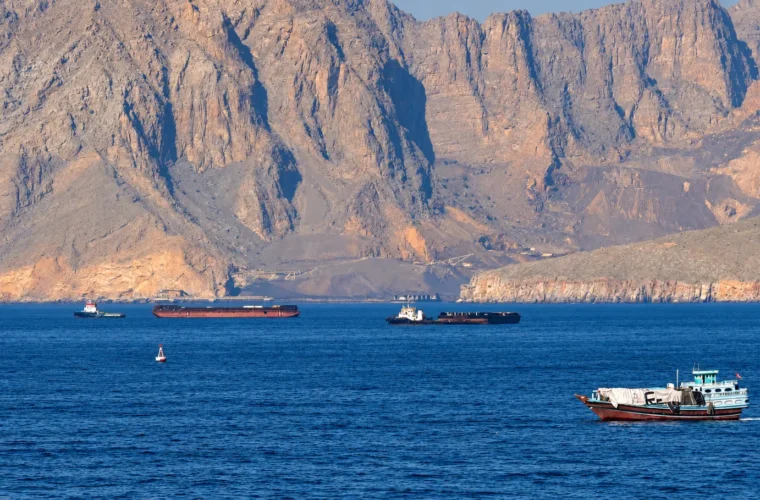
The Strait of Hormuz remains a live operational risk for shipping companies. Here is what owners, charterers and operators should monitor next.

The Hormuz evacuation plan shows that safe passage is not the same as normal trade. Controlled movement, waiting time, insurance exposure and operational instructions now shape the real shipping risk.

War risk premiums are not just an insurance detail. When a route becomes sensitive, they can affect freight, charterparty terms, owner approval, crew risk and the real economics of a voyage.

The Strait of Hormuz may reopen on paper, but shipping confidence does not return through announcements alone. Owners, crews, insurers and charterers still need to know that the route is safe, predictable and commercially workable before normal voyage planning can resume.

Voyage chartering in 2026 is becoming more sensitive to bunker exposure as fuel costs, freight volatility and voyage assumptions shape commercial risk.

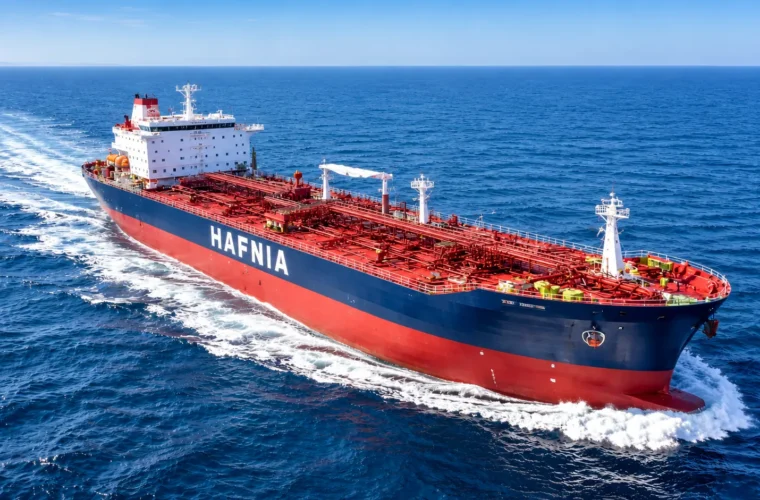
Tanker markets remain cautious as Hormuz risk, oil flows, insurance costs and vessel availability shape freight sentiment in mid-June. The market is watching whether safe and regular transits can restore confidence.

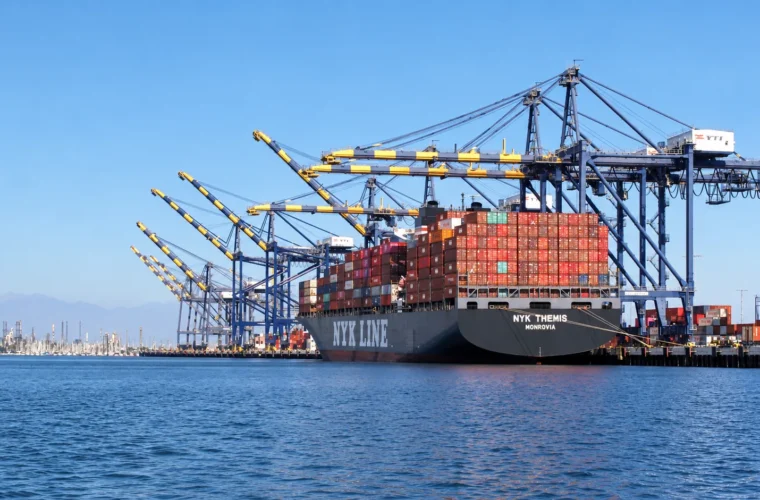
Container rates are climbing as early peak season demand, tighter capacity and higher fuel costs add pressure to liner markets.

A clear guide to the Baltic Dry Index, the dry bulk freight benchmark followed by shipowners, charterers and market analysts.