Skip to content
No results
  • Home
  • Markets
  • Operations
  • Technology
  • Academy
  • Maritime Tools
    • Converter
    • Voyage ETA Calculator
    • Voyage Margin Calculator
  • About
  • Login
  • Editorial Policy
  • Contact
  • Saved Articles
  • Subscribe
Tide Signal
  • Home
  • Markets
  • Operations
  • Technology
  • Academy
  • Maritime Tools
    • Converter
    • Voyage ETA Calculator
    • Voyage Margin Calculator
  • About
  • Login
Tide Signal
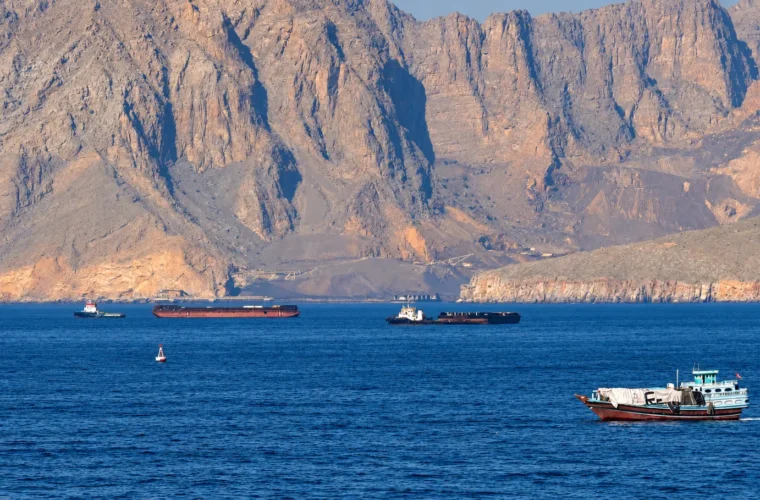
Map-style view of the Strait of Hormuz with a highlighted high-risk transit zone
  • FinanceCharteringMarkets

War Risk Premiums: The Hidden Cost Behind High-Risk Voyages

War risk premiums are not just an insurance detail. When a route becomes sensitive, they can affect freight, charterparty terms, owner approval, crew risk and the real economics of a voyage.

  • Tide Signal
  • June 17, 2026
Cargo vessel underway used for noon reports in shipping and voyage monitoring
  • OperationsTechnology

Noon Reports in Shipping: Why Daily Data Still Matters

Noon reports in shipping are no longer just daily operational updates. They shape fuel monitoring, vessel performance, emissions reporting, CII awareness, voyage decisions and the quality of data used by shore-side teams.

  • Tide Signal
  • June 16, 2026
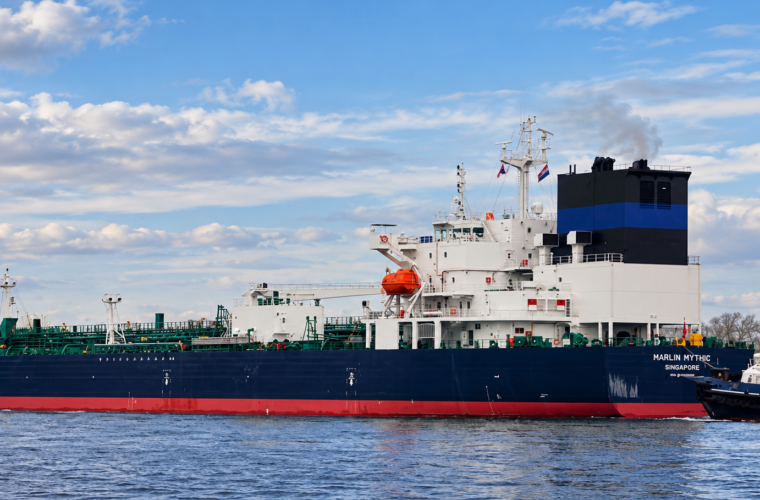
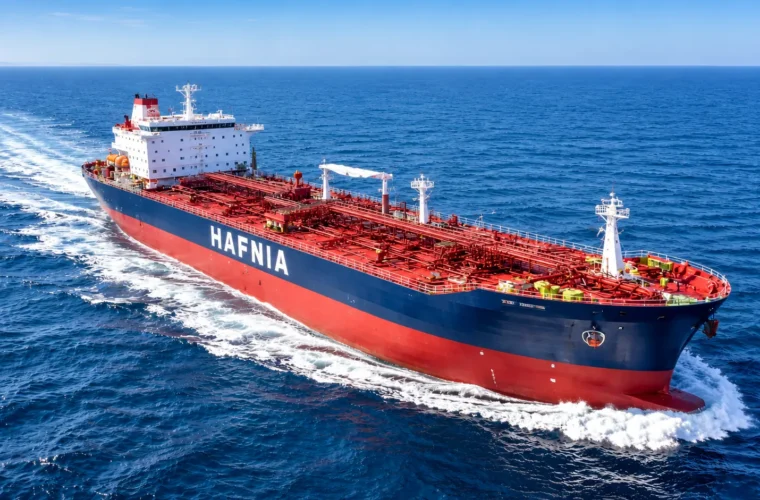
Tanker vessel at sea during a high-risk maritime passage
  • MarketsFinance

Hormuz Shipping Risk: Open Water Does Not Mean Normal Trade

The Strait of Hormuz may reopen on paper, but shipping confidence does not return through announcements alone. Owners, crews, insurers and charterers still need to know that the route is safe, predictable and commercially workable before normal voyage planning can resume.

  • Tide Signal
  • June 16, 2026
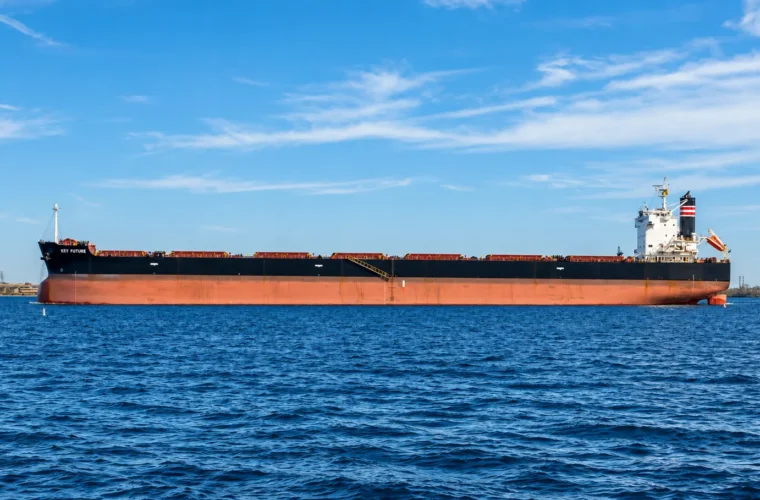
Bulk carrier cargo holds seen from deck during pre-stowage planning
  • OperationsAcademy

Pre-Stowage Planning: How Cargo Intake Is Calculated Before Loading

Pre-stowage planning is the early calculation of how much cargo a vessel can safely load before arrival at the loading port, considering draft, load line, water density, bunkers, ballast, port limits and voyage conditions.

  • Tide Signal
  • June 15, 2026
FuelEU Maritime pooling compliance balance and commercial risk dashboard
  • RegulationFinance

FuelEU Maritime Pooling: Why Compliance Is Becoming a Trading Decision

FuelEU Maritime pooling is creating a new commercial layer in shipping, where compliance surplus, deficits and penalties can affect owners, charterers and fleet strategy.

  • Tide Signal
  • June 15, 2026
Bulk carrier receiving bunkers from a service barge at anchorage
  • CharteringMarkets

Voyage Chartering in 2026: Why Bunker Exposure Is Back in Focus

Voyage chartering in 2026 is becoming more sensitive to bunker exposure as fuel costs, freight volatility and voyage assumptions shape commercial risk.

  • Tide Signal
  • June 15, 2026
Maritime operations workstation showing fleet performance data and AI decision support
  • Technology

AI in Shipping: Why Real Value Depends on Data, Workflows and Trust

AI in shipping is moving from hype to practical value, but real adoption depends on data quality, operational workflows and trust in the decisions it supports.

  • Tide Signal
  • June 15, 2026
Maritime finance documents and compass representing ship leasing and sale-and-leaseback decisions
  • Finance

Ship Leasing in 2026: Why Sale-and-Leaseback Is Reshaping Maritime Finance

Ship leasing is becoming a larger part of maritime finance as owners use sale-and-leaseback structures to release capital, manage balance sheets and support fleet renewal.

  • Tide Signal
  • June 15, 2026
Oil tanker sailing near a strategic energy shipping route as tanker markets watch Hormuz risk and oil flow uncertainty.
  • Markets

Tanker Markets Watch Hormuz Risk as Oil Flows Stay Cautious

Tanker markets remain cautious as Hormuz risk, oil flows, insurance costs and vessel availability shape freight sentiment in mid-June. The market is watching whether safe and regular transits can restore confidence.

  • Tide Signal
  • June 15, 2026
Ship Finance
  • Finance

Ship Finance Stays Strong as Asset Values Remain High

Ship finance remains active as high vessel values, alternative lenders and stronger owner balance sheets reshape maritime lending in 2026.

  • Tide Signal
  • June 14, 2026
Prev1 2 3Next
No more posts to load

Trending now

CII in shipping compliance dashboard showing vessel efficiency and carbon intensity analysis
CII in Shipping: Meaning, Ratings and Commercial Impact
Ship funnel emissions illustrating carbon exposure and financial risk in shipping finance
Shipping Finance in 2026: Why Carbon Exposure Is Becoming a Financial Risk
Maritime contract documents with nautical chart and shipping business setting
What Is a Charterparty in Shipping?
Planned maintenance system screen showing vessel equipment tasks and maintenance records
Predictive Maintenance in Shipping: From PMS to Early Warning
Tide Signal

Maritime business news and intelligence covering shipping markets, chartering, finance, operations, technology, regulation and academy.

Sections

Markets Chartering Finance Operations Technology Regulation Academy

Membership

Subscribe Login Account Saved Articles Premium Briefing

Publication

About Editorial Policy Privacy Policy Terms of Use Contact

Contact

Editorial, partnerships, subscriptions and maritime business inquiries.

info@tidesignalnews.com
Subscribe to Tide Signal
© 2026 Tide Signal. All rights reserved. Maritime Business News & Intelligence