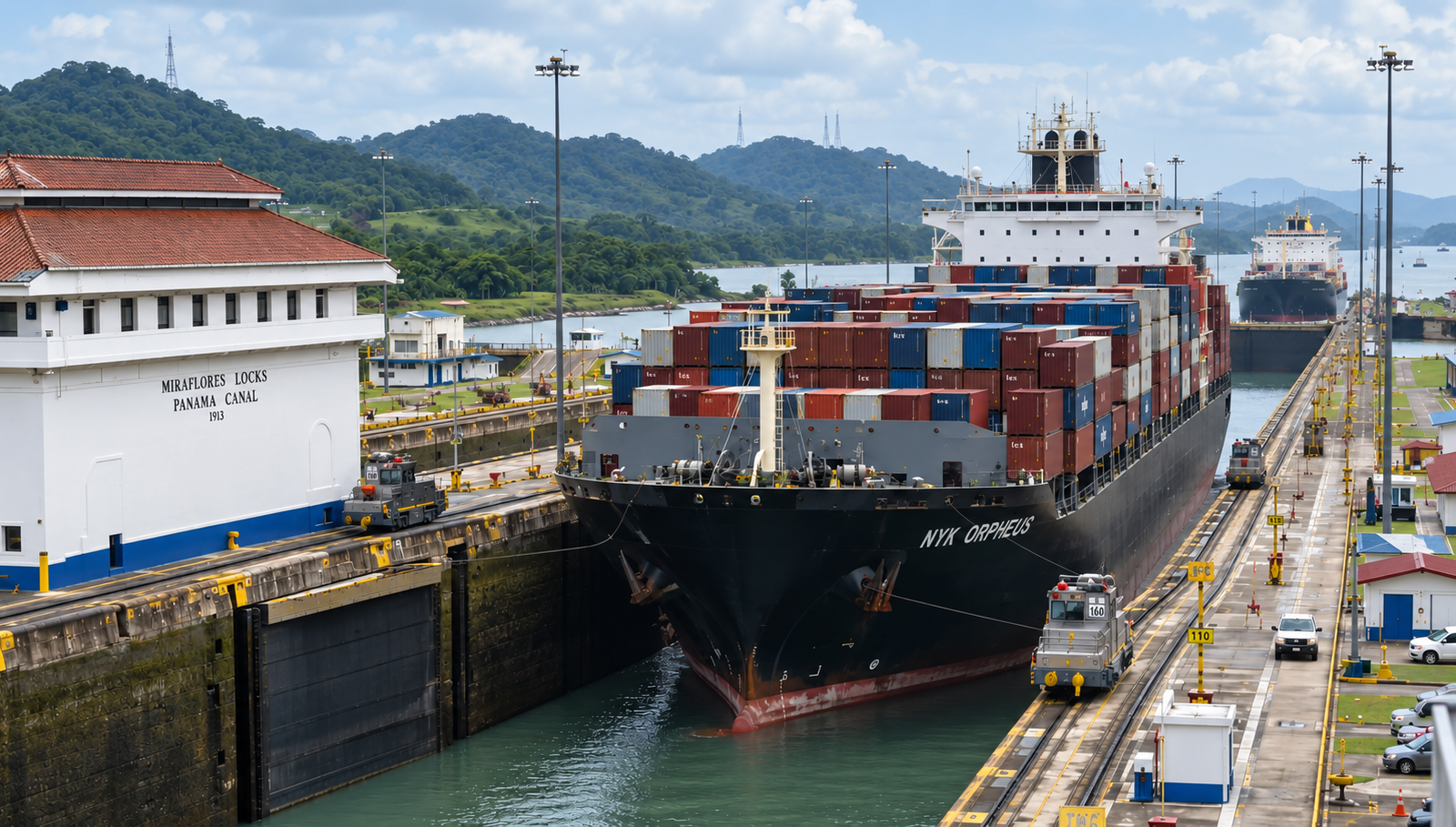
Panama Canal restrictions are tightening again as below-expected rainfall puts renewed pressure on the waterway, cutting available transit capacity and raising the possibility of further reductions if reservoir conditions fail to improve.
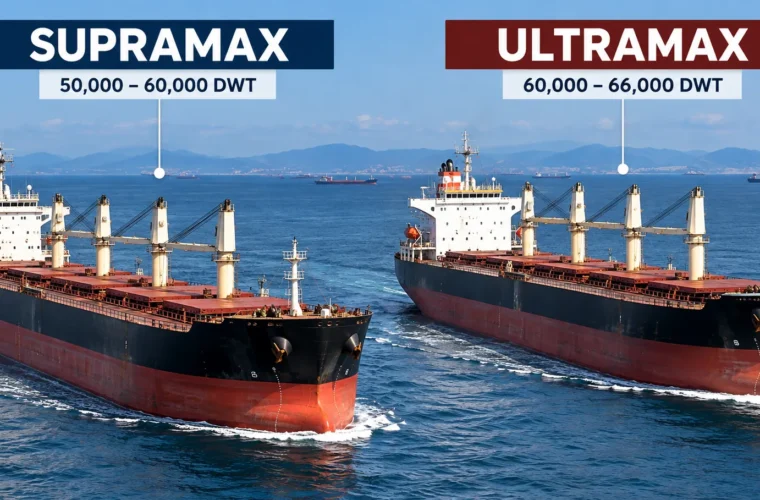
The Panama Canal Authority has already reduced booking capacity across the Panamax and Neopanamax locks. From September 15, available Panamax slots are scheduled to fall to 23 per day, while nine Neopanamax slots remain available under the current measures.
For shipping companies, the problem is no longer simply drought.
It is predictability.
Owners without confirmed reservations face a greater risk of waiting, charterers must price canal uncertainty into voyage economics, and container, LNG, LPG, tanker and bulk operators are competing for capacity at one of the world’s most commercially important maritime shortcuts.
The supply-side context is covered in Tide Signal’s Shipping Week Ahead: Suez Return, $11,000 Container Rates and Hormuz Risk.
At the same time, there is an important distinction: the Canal has not implemented its previously planned reduction of the maximum Neopanamax draft to 47.5 feet. The current 48-foot Tropical Fresh Water limit remains in force after the Authority postponed the reduction following its latest review of Gatun Lake conditions.
The commercial pressure is shifting from draft alone to access. A vessel that can physically meet the Canal’s draft limit still has a scheduling problem if it cannot secure a reservation. Waiting time can then move directly into bunker exposure, charterparty performance, cargo timing and the vessel’s next employment.
Panama Canal Restrictions 2026: What Has Changed?
The latest Panama Canal restrictions 2026 are centred on transit capacity and the booking system as the Authority responds to rainfall below expected levels in the Canal watershed.
From September 3, the Panama Canal adjusted the number of available slots to nine per day at the Neopanamax Locks and 25 per day at the Panamax Locks.
A second reduction is already scheduled.
From September 15, Panamax availability falls to 23 daily slots.
The Panama Canal Authority’s official advisory warns that reduced daily capacity may increase waiting times for vessels arriving without reservations.
The Authority is therefore urging customers to use its booking system, noting that a confirmed reservation is the only mechanism that guarantees a specific transit date.
The Panama Canal Is Not Closed
The distinction matters.
The Panama Canal remains operational.
There is no blanket closure of the waterway and commercial vessels continue to transit both the Panamax and Neopanamax locks.
The issue is reduced operating flexibility.
For an owner with a confirmed slot, the voyage may remain relatively predictable.
For a vessel arriving without one, the risk profile changes because waiting time depends on demand, available capacity and future water-management decisions.
This is a familiar characteristic of maritime chokepoints: the route does not need to close completely before the commercial impact begins.
Tide Signal’s guide to maritime chokepoints and shipping risk explains how congestion, drought, security problems or operational restrictions can affect freight markets even when vessels are technically still able to pass.
Panamax Slots Fall Again on September 15
The next firm date for operators is September 15.
Under the measures announced by the Canal Authority, the number of available Panamax slots will fall from 25 to 23 per day.
Combined with the nine Neopanamax slots announced under the current capacity plan, the booking environment is materially tighter than during normal high-capacity operations.
For commercial desks, two fewer slots may appear modest when viewed in isolation.
But the effect is cumulative.
When several vessels compete for fewer predictable transit windows, even a small capacity reduction can change:
- arrival planning;
- canal reservations;
- ballast scheduling;
- cargo laycans;
- bunker planning;
- port rotations;
- and the vessel’s next employment.
Why Panama Canal Waiting Time Matters Commercially
Waiting is not a neutral operational event.
A vessel delayed outside a canal remains occupied.
Crew, fuel, insurance and financing costs continue while the ship is unavailable for its next voyage.
If the vessel misses a cargo window downstream, the economic effect can extend beyond the transit itself.
The commercial mechanics are similar to the wider problem examined in Tide Signal’s Port Delays: When Waiting Time Becomes Commercial Risk.
A delay today can become a positioning problem tomorrow.
That is why Panama Canal congestion matters not only to operators but to charterers, brokers, commodity traders and liner-network planners.
Maximum Neopanamax Draft Remains at 48 Feet
One of the most important details in the current Panama Canal situation is what has not happened.
The Authority had previously planned to reduce the maximum authorised Neopanamax draft from 48 feet to 47.5 feet.
On September 4, however, it postponed that reduction until further notice.
The current maximum remains 48.0 feet Tropical Fresh Water, or 14.63 metres.
That provides some operational relief because draft directly influences how much cargo a large vessel can carry through the Canal.
A tighter draft restriction can force cargo reductions, alter loading plans or change whether a Canal transit remains commercially attractive.
The present situation is therefore mixed: slot capacity is tightening, but the planned additional draft reduction has been avoided for now.
Gatun Lake Remains the Critical Variable
The Panama Canal is fundamentally dependent on freshwater.
Every transit through the locks uses water from the surrounding watershed and reservoir system.
That makes Gatun Lake more than an environmental indicator. It is an operating constraint.
When inflows weaken and lake levels fall, the Canal must balance vessel capacity against the need to preserve sufficient water for future transits and surrounding communities.
The Authority says rainfall during the current wet season has remained below expectations despite water-conservation measures introduced to limit the impact of El Niño.
This is why the shipping market is watching rainfall forecasts almost as closely as transit statistics.
Further Panama Canal Transit Cuts Are Possible
The most important new signal is that the current measures may not represent the bottom.
New Panama Canal administrator Ilya Espino de Marotta has warned that additional restrictions could become necessary if rainfall fails to restore reservoir levels.
Reuters reported that further restrictions may be required over the next three months if water conditions remain weak.
The Financial Times reported an even more restrictive downside scenario, with daily transits potentially falling toward approximately 27 if conditions deteriorate.
That is not the current operating level and should not be presented as a confirmed cut.
It is a warning about what could happen if the water deficit persists.
| Confirmed | Panamax availability falls to 23 slots from 15 September. |
| Confirmed | Neopanamax draft remains at 48.0 ft for now. |
| Confirmed | The Canal warns unreserved vessels may face longer waits. |
| Possible | Additional transit restrictions if rainfall and reservoir levels fail to recover. |
Which Ships Are Most Exposed?
The Panama Canal serves a wide range of vessel types, and the Authority has changed the way auction capacity is distributed among market segments.
Current auction groups include:
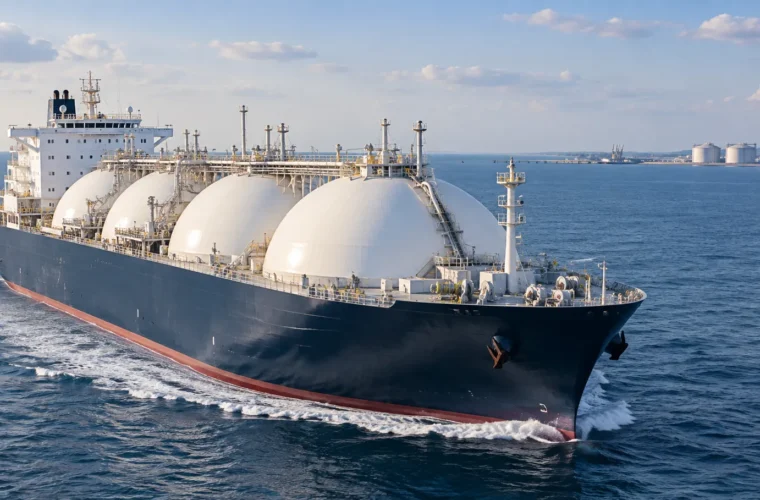
- LNG and LPG carriers;
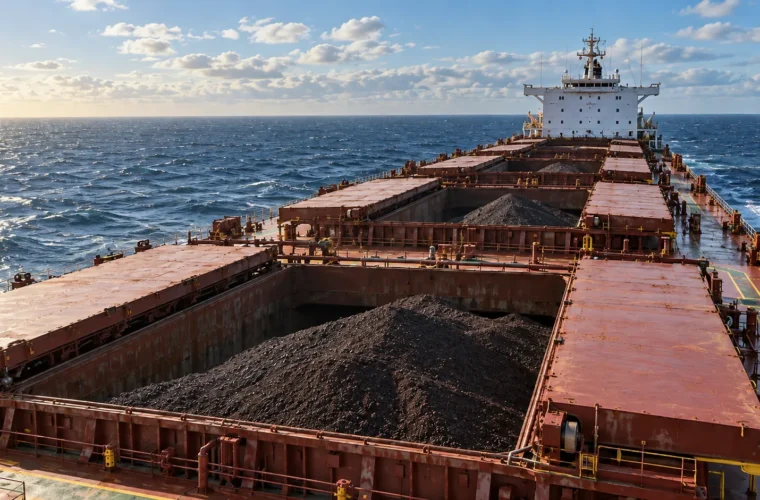
- dry-bulk carriers and general cargo ships;
- container ships, vehicle carriers and refrigerated vessels;
- chemical tankers, crude tankers and product tankers.
This segmentation matters because the economic cost of missing a Canal slot is not identical across vessel classes.
A container line is concerned with network integrity and maintaining weekly schedules.
An LNG or LPG carrier may be tied to a highly specific loading and discharge programme.
A tanker charterer may need to coordinate cargo availability, terminal windows and refinery requirements.
A dry-bulk operator may find that waiting time destroys the margin assumed in the original voyage calculation.
Container Shipping Faces a Schedule Problem
For container shipping, reliability can matter as much as the individual cost of the transit.
Large liner networks are designed around fixed port rotations and weekly services.
If Canal capacity becomes less predictable, carriers may need to adjust arrival times, vessel speed or network buffers to protect downstream calls.
The Canal has indicated that full container vessels with the highest TEU capacity receive priority within certain Neopanamax allocation procedures, with customer ranking used as a tiebreaker.
That reflects the commercial importance of using scarce lock capacity efficiently.
Tide Signal’s Container Shipping Rates coverage tracks the wider freight environment in which schedule disruption, capacity and rerouting can move pricing.
LNG and LPG Carriers Have Their Own Panama Problem
The Canal is particularly important for some gas trades because it can materially shorten voyages between the US Gulf and Pacific markets.
For LNG and LPG carriers, a delayed or unavailable transit can create a larger commercial decision than simply waiting another day.
The operator must compare:
- the expected Canal waiting time;
- the value of a secured booking;
- cargo delivery requirements;
- bunker expenditure;
- alternative routing;
- and the vessel’s next fixture.
In volatile markets, the value of arriving earlier can exceed the apparent cost of the transit itself.
Panama Canal Auctions Show the Value of Time
When access becomes scarce, a Canal reservation acquires an economic value beyond the published transit toll.
The Financial Times reported that auction prices for some larger-vessel transit slots have reached around $1.25 million during the current pressure.
That should not be interpreted as a standard Panama Canal transit charge.
It reflects the premium some operators are willing to pay for scarce scheduling certainty.
The commercial logic is straightforward.
If waiting costs more than securing the slot — through lost vessel time, bunker consumption, cargo delay or missed employment — paying a substantial premium can still be economically rational.
The Voyage Calculation Changes Quickly
A Panama Canal decision is ultimately a voyage-estimation decision.
An operator comparing a reserved transit with waiting or rerouting must calculate more than nautical miles.
The relevant variables include sailing time, bunker consumption, waiting days, canal costs, port windows and the value of vessel time.
Tide Signal’s Voyage ETA Calculator can be used to compare changes in sailing distance, speed, sea time and indicative bunker exposure.
The Voyage Margin Calculator also includes canal and transit costs as part of the voyage-cost structure, allowing users to test how additional expenses affect indicative voyage margin and break-even freight.
Neither tool replaces an official company voyage estimate, but they illustrate why Canal restrictions can move directly from an operations problem into a commercial one.
Waiting Can Be More Expensive Than the Canal
Consider a vessel earning or costing tens of thousands of dollars per day.
Several days of additional waiting can quickly create a six-figure time exposure before bunker, financing or contractual consequences are included.
That is why comparing only the Canal toll with an alternative route is incomplete.
The correct comparison is between total voyage outcomes.
A more expensive booking can still be the cheaper commercial decision if it prevents prolonged waiting or protects a valuable downstream fixture.
Why El Niño Matters to the Panama Canal
The current restrictions are linked to water conditions rather than a mechanical failure or labour dispute.
El Niño can reduce rainfall across the Canal watershed and increase the probability that reservoir levels will fall below the operating assumptions needed for normal lock capacity.
The Authority began preparing for tighter water conditions well before the present reductions and has repeatedly adjusted its draft and reservation policies as forecasts changed.
The latest measures demonstrate how quickly those assumptions can move.
The Canal initially planned another reduction in Neopanamax draft, postponed it, and then maintained the 48-foot limit after subsequent lake-level forecasts improved enough to avoid the immediate cut.
This is precisely why operators should not treat any single draft or slot number as permanent.
The Long-Term Fix Is Still Years Away
Panama is developing additional water infrastructure intended to make the Canal more resilient during future droughts.
The most important project is the proposed Rio Indio reservoir.
Reuters reported that the long-term solution is still roughly five years away, while the Financial Times estimates the reservoir project at about $1.6 billion and reports that it could become operational around 2032.
Until new water capacity becomes available, the Canal remains exposed to rainfall volatility and the need to adjust operating capacity when reservoir conditions deteriorate.
That means drought risk is no longer a one-off 2023 story.
It has become a recurring commercial variable for shipping.
Panama, Hormuz and Suez: Shipping Is Running Out of Easy Routes
The timing makes the Panama problem more significant.
Global shipping is already operating through uncertainty around other major chokepoints.
The Strait of Hormuz is dealing with severe security disruption, while Red Sea and Suez routing remains sensitive to geopolitical risk.
The Panama Canal represents a different type of exposure — water rather than war — but the commercial consequence has similarities.
A chokepoint becomes less predictable.
Vessels wait, reroute or pay more for access.
Voyage times change.
Effective fleet capacity changes with them.
This is why the Canal’s current water problem cannot be analysed only as a Panamanian infrastructure story. It belongs inside the broader global shipping capacity equation.
What Shipping Companies Should Watch Next
- Gatun Lake levels and watershed inflows
- Rainfall forecasts during the coming weeks
- The September 15 Panamax slot reduction
- Any additional reduction in daily transit capacity
- Changes to the 48-foot Neopanamax draft
- Booking availability and auction prices
- Waiting times for non-reserved vessels
- Container-line schedule adjustments
- LNG and LPG routing decisions
- Any increase in alternative routing around the Canal
Panama Canal Restrictions 2026: Commercial Takeaway
The Canal is open.
But open does not mean normal.
The current Panama Canal restrictions 2026 reduce booking flexibility, create a greater penalty for arriving without a reservation and leave the industry exposed to additional cuts if water conditions deteriorate.
The draft picture is slightly more favourable: Neopanamax vessels can continue operating at the current 48-foot limit after the planned 47.5-foot reduction was postponed.
The capacity picture is less comfortable.
Panamax availability falls again on September 15, and Canal management has made clear that further measures remain possible if rainfall does not rebuild reservoir levels.
For shipping companies, the practical lesson is simple.
The Canal should no longer be treated as a fixed voyage assumption.
Transit access, waiting time, draft, auction cost and alternative routing now belong inside the commercial estimate before a voyage is fixed.
Maritime Chokepoints Explained — How disruption at strategic waterways moves into freight, routing and vessel capacity.
Port Delays and Commercial Risk — Why waiting time can change voyage margins and charterparty exposure.
Voyage ETA Calculator — Compare voyage distance, speed, sailing time and indicative bunker exposure.
Voyage Margin Calculator — Test freight, bunker, port and canal costs against indicative voyage margin.
Container Shipping Rates — Follow the freight environment surrounding capacity and schedule disruption.
Panama Canal Restrictions FAQ
Is the Panama Canal closed?
No. The Panama Canal remains open and commercial vessels continue to transit. Current measures reduce available capacity rather than shutting the waterway.
How many Panama Canal slots are currently available?
The Canal announced nine daily Neopanamax slots and 25 Panamax slots under the measures effective from September 3. Panamax availability is scheduled to fall to 23 slots from September 15.
Are Panama Canal transits being cut again?
A further Panamax slot reduction is already scheduled for September 15. Canal management has also warned that additional restrictions may become necessary if rainfall and reservoir conditions fail to improve.
What is the current Panama Canal Neopanamax draft?
The current maximum authorised Neopanamax draft remains 48.0 feet Tropical Fresh Water, equivalent to 14.63 metres.
Did the Panama Canal reduce the draft to 47.5 feet?
No. The previously planned reduction to 47.5 feet was postponed. The Canal Authority said on September 4 that the 48-foot limit would remain in place until further notice.
Why is the Panama Canal restricting transits?
Below-expected precipitation has reduced water availability in the Canal watershed. Lock operations depend on freshwater, so the Authority adjusts capacity to protect sustainable operation when reservoir conditions weaken.
Can vessels transit without a reservation?
Yes, but the Canal Authority warns that vessels arriving without a secured reservation may face longer waiting times depending on demand and available capacity. A confirmed reservation is the only mechanism that guarantees a transit date.
Which ship types are affected?
Container vessels, LNG and LPG carriers, bulk carriers, general cargo ships, vehicle carriers, chemical tankers and crude or product tankers all use Panama Canal capacity and can be affected by tighter booking availability.
- Panama Canal Authority — Additional measures addressing reduced watershed precipitation
- Panama Canal Authority — Neopanamax draft remains at 48 feet
- Panama Canal Authority — Transit Reservation System
- Reuters — Panama Canal water challenge and risk of additional restrictions
- Financial Times — Panama Canal faces further transit pressure as water levels fall
Tide Signal distinguishes measures already announced by the Panama Canal Authority from possible future restrictions. The Canal remains operational. Transit capacity, water conditions and booking rules can change as the Authority updates its operational forecasts.