Ninety-three attacks on commercial vessels since the start of the US-Iran conflict are forcing shipping markets to confront a harder problem than a single high-risk ship type: the absence of a predictable targeting pattern.
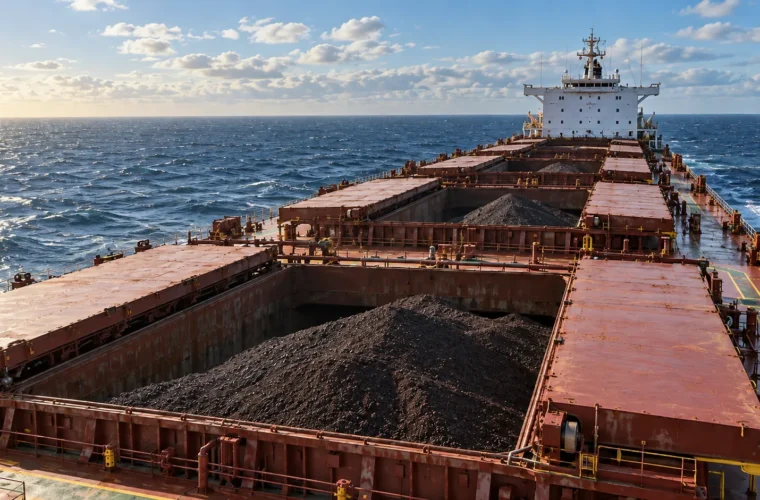
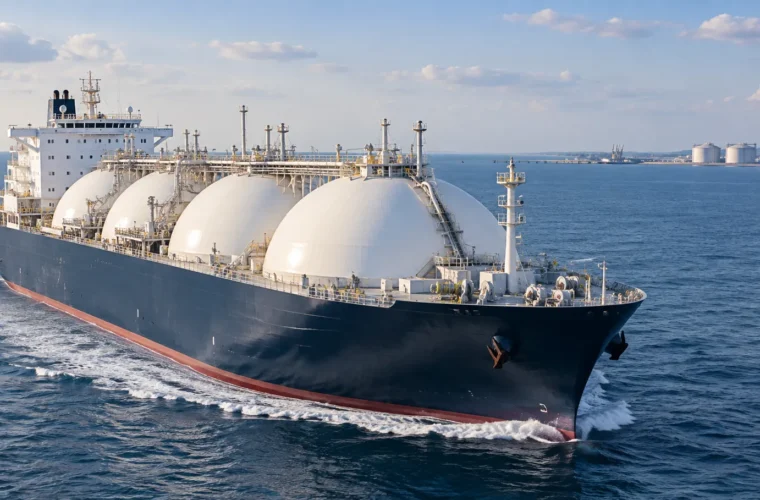
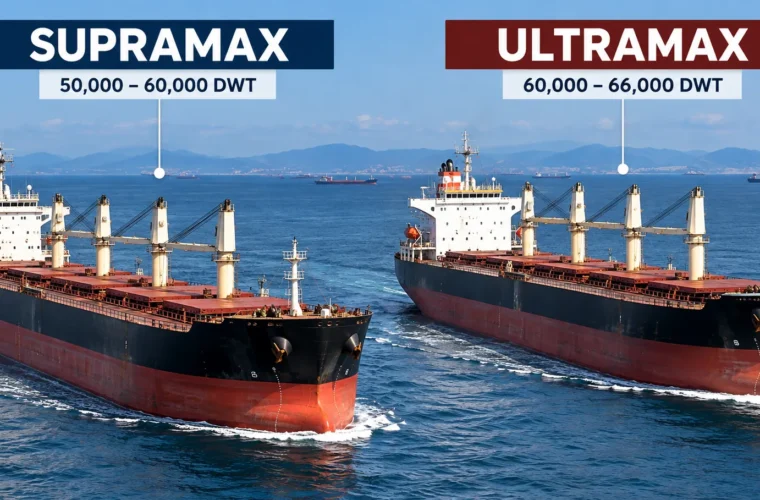
Tankers, gas carriers and bulk carriers have all been struck during the campaign, according to a new Lloyd’s List analysis of the incidents.
The commercial consequence is significant.
If owners cannot reliably identify which vessel type, cargo, flag or trade is more exposed, then the risk cannot be contained to one narrow part of the fleet.
Instead, uncertainty itself begins to affect voyage approval, insurance, routing, vessel supply and freight.
Lloyd’s List says its analysis covers 93 attacks on commercial vessels since the start of the US-Iran conflict and finds that recent incidents span tankers, gas carriers and bulkers rather than one consistently targeted vessel category.
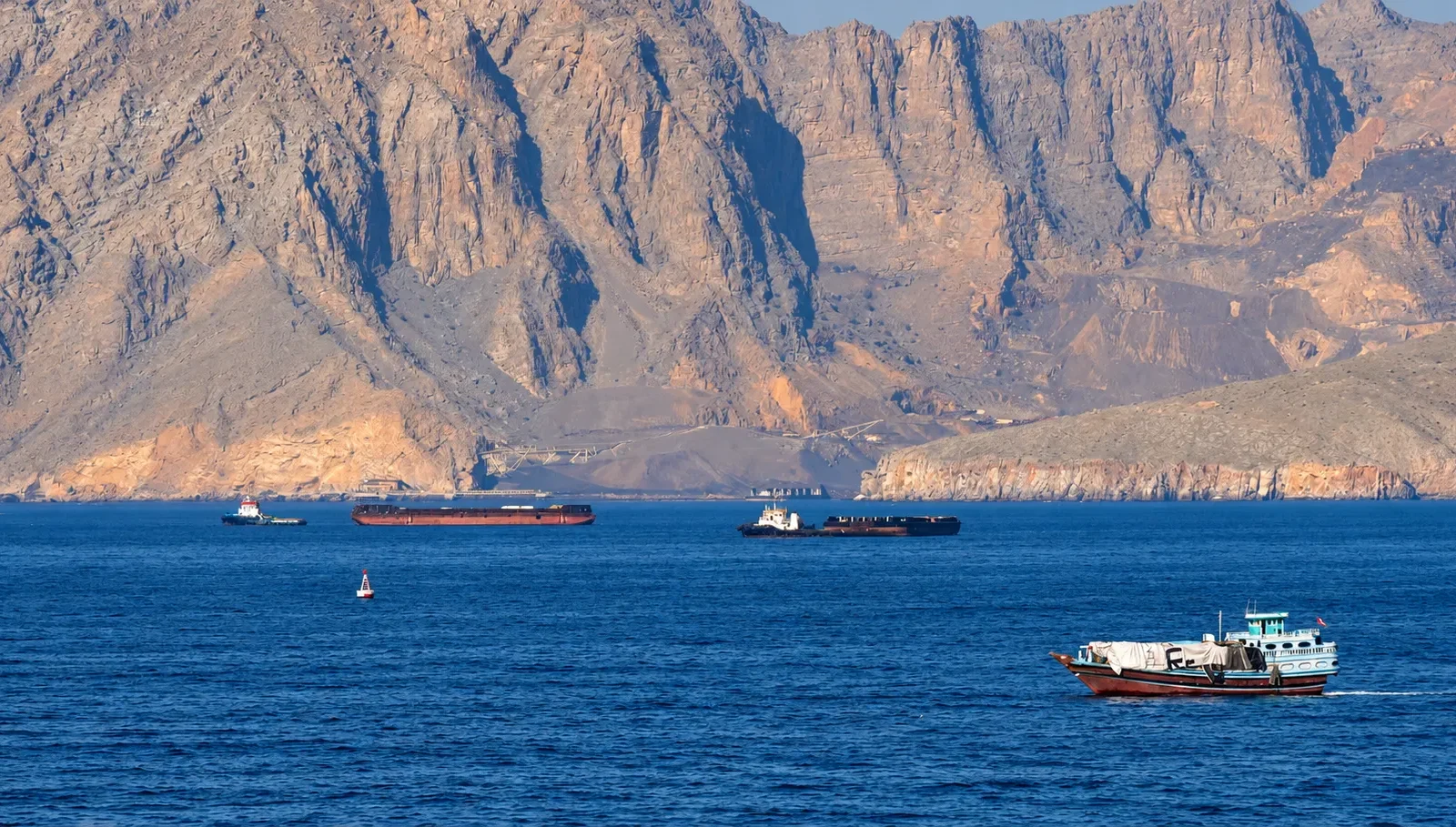
Recent UK Maritime Trade Operations alerts reinforce the continuing security risk. UKMTO has reported separate incidents involving a tanker, an LPG tanker and a cargo vessel in the Strait of Hormuz during the latest sequence of attacks.
The strongest conclusion supported by the latest analysis is not that one type of ship is being systematically targeted. It is that merchant shipping is operating without a reliable rule for predicting which vessel will be exposed next. Lloyd’s List cites analysts who interpret that unpredictability as part of a broader strategy to keep the Strait of Hormuz perceived as unsafe.
93 Ship Attacks Have Changed the Question for Shipping
The first phase of the Hormuz crisis encouraged the market to search for patterns.
Was the principal risk concentrated on crude tankers?
Were Gulf-controlled shuttle vessels more exposed?
Did flag, ownership, cargo origin or destination provide a useful guide to the threat?
Those questions remain commercially important.
But the latest attack record makes the operating picture increasingly difficult to reduce to a simple rule.
Lloyd’s List reports that attacks in July and August had focused more heavily on Gulf state-controlled shuttle tankers supporting crude exports. More recent attacks, however, have included bulk carriers, tankers and gas carriers.
That broader mix changes the risk calculation.
Why Unpredictability Matters More Than Vessel Type
Commercial shipping depends on classification.
Owners classify routes by risk. Insurers classify voyages by exposure. Charterers classify tonnage by suitability. Banks classify transactions by sanctions and compliance risk.
Those systems work best when the threat can be defined.
If a particular cargo, flag, ownership structure or vessel class faces higher risk, market participants can price that risk more precisely.
The problem becomes much harder when incidents do not follow a clear pattern.
A tanker owner may conclude that crude cargo is not the decisive variable.
A bulk carrier operator may no longer assume that a dry-bulk voyage falls outside the main threat profile.
A gas carrier owner may need to reconsider whether cargo type provides any meaningful protection.
The result is wider uncertainty.
Tankers Are No Longer the Whole Story
Tankers remain central to the Hormuz crisis because the strait is one of the world’s most important energy-export corridors.
Crude tankers and product tankers have therefore received much of the market attention.
That focus made commercial sense.
The region’s oil-export system depends on large numbers of high-value tanker voyages, and the reduction in owner willingness to accept Gulf exposure has already contributed to exceptional freight markets.
Tide Signal has documented that effect through the reported $25 million VLCC voyage and the surge in Gulf of Oman–China VLCC freight .
But the newer attack pattern means tanker-market analysis alone is no longer enough to describe the security problem.
Gas carriers and dry-bulk ships also operate through the same constrained maritime geography.
If those vessels are exposed as well, the commercial consequences spread into LNG and LPG trades, dry commodities and wider port-call planning.
Recent UKMTO Incidents Show How Broad the Exposure Has Become
UK Maritime Trade Operations has continued to publish verified alerts involving multiple vessel types around the Strait of Hormuz.
| Date | Vessel Type | Reported Incident |
|---|---|---|
| 23 Sep | Cargo vessel | UKMTO reported a vessel struck by an unknown projectile. The ship was reported on fire and adrift. |
| 21 Sep | LPG tanker | An outbound tanker was reported hit by debris from unknown projectiles. Crew were reported safe. |
| 21 Sep | Tanker | An inbound tanker was reported struck by an unknown projectile. Two crew sustained minor injuries. |
| 9 Sep | Several merchant vessels | UKMTO reported vessels subject to disabling fire during ongoing military activity in the region. |
UKMTO does not automatically attribute every incident to a specific actor.
That distinction matters.
The security picture contains both confirmed incidents and analytical assessments of responsibility or strategic intent. Those should not be treated as the same category of evidence.
The Commercial Weapon Is Effective Vessel Supply
Shipping markets are not priced on the number of ships that exist.
They are priced on the number of ships that are commercially available.
A vessel can be physically operational and still disappear from effective supply if:
- the owner rejects the voyage;
- war-risk terms become unacceptable;
- the crew or manager requires additional safeguards;
- the charterer cannot secure approval;
- a bank or insurer blocks the transaction;
- the ship cannot meet the required loading window;
- or the expected freight does not compensate for the exposure.
This is one reason the Hormuz crisis has produced extreme freight outcomes without physically removing a comparable number of ships from the global fleet.
Security risk → fewer commercially willing ships → tighter effective supply → stronger owner leverage → higher freight.
The mechanism can operate across several vessel sectors at the same time.
That is what makes broad-based uncertainty particularly powerful.
Hormuz Can Remain Open While Commercial Shipping Stays Constrained
The Strait of Hormuz is not physically closed.
Ships continue to transit.
But that is not the same as normal commercial operation.
On 21 September, preliminary Kpler data cited by Reuters showed only two commodity-vessel transits through the strait, compared with roughly 125 large commercial vessels per day before the conflict.
The visible count can understate total movement because some ships may operate with AIS transmissions reduced or disabled.
Even with that limitation, the scale of the reduction illustrates the market’s response to persistent risk.
Tide Signal tracks that distinction continuously in its Strait of Hormuz live shipping-status page .
Why War-Risk Insurance Reacts to Uncertainty
Marine insurance does not require certainty that a vessel will be attacked before pricing changes.
Underwriters price probability and severity.
When the threat becomes harder to predict, uncertainty itself enters the premium.
That can affect:
- additional war-risk premiums;
- notice requirements;
- voyage approval;
- trading warranties;
- deductibles and exclusions;
- crew-related conditions;
- and the commercial willingness of owners to accept the voyage.
For the full commercial mechanism, see Tide Signal’s War Risk Premiums in Shipping .
Why Attack Attribution Must Be Handled Carefully
There are two separate questions in every maritime-security incident.
The first is factual: what happened to the vessel?
The second is analytical: who was responsible and why?
Those questions often develop at different speeds.
UKMTO incident reports frequently describe the immediate facts using language such as “unknown projectile” while authorities investigate.
Broader intelligence analysis can then examine patterns across multiple incidents.
Lloyd’s List’s 93-attack assessment attributes the campaign to Iran and reports analyst views that the apparent objective is to maintain uncertainty around the Strait of Hormuz rather than consistently discriminate between vessel categories.
That is an analytical conclusion based on the wider dataset.
It should not be confused with a formal attribution of every individual UKMTO incident.
A Strategy Does Not Need to Stop Every Ship to Disrupt Trade
Complete closure is only one way to disrupt a chokepoint.
A smaller number of attacks can alter behaviour far beyond the individual casualties if they change how thousands of future voyages are assessed.
The market reaction can include:
- owners refusing Gulf exposure;
- higher freight requirements;
- longer approval procedures;
- additional insurance cost;
- cargo delays;
- alternative routing;
- ship-to-ship transfer structures;
- state-backed shuttle systems;
- and reduced participation by mainstream operators.
This is already visible in the way Gulf energy trades have adapted.
Saudi crude exports have increasingly relied on shuttle and ship-to-ship structures around Oman, while mainstream container shipping through Hormuz has also become far more limited.
The system is continuing to move cargo.
But it is doing so with greater complexity, higher cost and less redundancy.
The Shuttle Model Shows How Shipping Adapts to Permanent Risk
One of the most important developments of the conflict has been the rise of shuttle-style logistics.
Instead of persuading the entire international fleet to accept elevated Gulf exposure, some trade chains concentrate that exposure into a smaller number of ships prepared to operate the high-risk segment.
The cargo can then be transferred or connected to lower-risk long-haul transportation outside the most dangerous area.
The model does not eliminate security risk.
It redistributes it.
That distinction is important because it shows how shipping can continue functioning even when the market has stopped treating the route as normal.
What 93 Attacks Mean for Owners and Charterers
| Market Participant | Commercial Consequence |
|---|---|
| Shipowners | Greater uncertainty over voyage acceptance, crew exposure, insurance and minimum acceptable freight. |
| Charterers | Smaller pools of acceptable tonnage and potentially higher freight or longer fixing times. |
| Insurers | More difficult risk modelling when attacks span multiple vessel types. |
| Cargo interests | Greater uncertainty over loading programmes, delivery timing and transport cost. |
| Ship managers | Higher operational burden for security planning, crew briefings and voyage monitoring. |
| Banks and compliance teams | More scrutiny of counterparties, route exposure, sanctions and payment structures. |
The Freight Market Is Pricing Willingness, Not Just Steel
Traditional fleet analysis asks how many ships exist.
In a high-risk market, a better question is: how many ships are actually willing and able to perform this voyage?
This difference between physical fleet supply and effective commercial supply has become one of the defining features of the 2026 Gulf tanker market.
It also explains why two apparently similar ships can have very different commercial value depending on:
- owner risk appetite;
- insurance approval;
- flag and compliance profile;
- crew arrangements;
- current position;
- next employment;
- and route acceptance.
The 93-attack dataset matters because it suggests the market cannot isolate Hormuz security risk to one obvious vessel category. The wider the uncertainty spreads, the larger the pool of voyages that may require additional freight, insurance, approval and operational protection.
What Would Reduce the Risk Premium?
One quiet day would not be enough.
A real commercial normalisation would require several indicators to improve together.
- 01 Attack frequency: a sustained decline in verified maritime incidents.
- 02 Traffic: a persistent recovery in vessel transits rather than isolated daily spikes.
- 03 Insurance: broader underwriting appetite and less extreme war-risk conditions.
- 04 Owner participation: more mainstream international operators returning to Gulf employment.
- 05 Freight: a reduction in the scarcity premium attached to Gulf-capable tonnage.
- 06 Operational confidence: fewer extraordinary shuttle, STS and workaround structures required to move normal trade volumes.
What Tide Signal Is Watching Next
The next stage of the Hormuz crisis will be measured less by individual headlines than by behaviour.
The most important signals are:
- UKMTO incident frequency;
- the mix of vessel types affected;
- visible Hormuz transit counts;
- war-risk premium movements;
- VLCC and product-tanker availability;
- LNG and LPG movements;
- mainstream container-carrier participation;
- Sohar and Gulf of Oman STS activity;
- and the willingness of owners to accept Gulf voyage orders.
If attacks decline but commercial participation does not recover, that would suggest the market continues to perceive the risk as persistent.
If mainstream operators begin returning and insurance conditions improve, that would be a stronger sign that the commercial risk premium is finally easing.
Iran Ship Attacks and Hormuz Risk: Frequently Asked Questions
How many commercial ships have been attacked?
Lloyd’s List reported on 25 September that its analysis covered 93 attacks on commercial vessels since the start of the US-Iran conflict.
What types of ships have been attacked?
The reported attack pattern includes multiple vessel sectors, including tankers, gas carriers and bulk carriers.
Are only oil tankers being targeted?
No. Recent incidents and the wider 93-attack analysis include vessel types outside the crude-tanker sector.
Is the Strait of Hormuz closed?
No. Ships continue to transit the strait, but commercial traffic remains severely below normal levels and operating conditions are not equivalent to normal peacetime shipping.
Why does unpredictable targeting affect freight?
When owners cannot confidently identify which ships face the greatest exposure, more vessels may be withheld from a trade. That reduces effective commercial supply and can increase freight.
Does UKMTO attribute every attack to Iran?
No. UKMTO frequently reports the immediate verified incident facts while investigations continue. Some alerts describe projectiles or attacks without assigning responsibility. Strategic attribution should therefore be distinguished from the factual reporting of an individual incident.
Why are war-risk premiums important?
War-risk insurance affects the all-in cost and feasibility of a voyage. Higher premiums, tighter conditions or reduced underwriting appetite can make some voyages uneconomic even if the route remains physically navigable.
What would signal a return to normal shipping?
A sustained decline in attacks, rising vessel traffic, improving insurance terms, more owner participation and lower freight scarcity premiums would provide stronger evidence of commercial normalisation.
Primary Sources and Verification
- Lloyd’s List — Iran’s ship attacks show strategy of disruption not discrimination, 25 September 2026
- UK Maritime Trade Operations — Recent maritime security incidents
- Reuters — Hormuz vessel traffic falls to two, 22 September 2026
- Tide Signal — Strait of Hormuz live shipping status
- Tide Signal — War Risk Premiums in Shipping
Verification note: The figure of 93 attacks and the assessment of the broader targeting pattern are attributed to Lloyd’s List Intelligence analysis. UKMTO incident reporting is used separately for verified recent casualty and security-event details. Where an individual UKMTO report does not attribute responsibility, Tide Signal does not independently assign responsibility for that incident.