The HNS Convention 2027 will change how shipping handles financial liability after accidents involving hazardous and noxious substances, with compulsory shipowner insurance, a State-certified HNS insurance certificate and a new international HNS Fund providing a second tier of compensation.
The 2010 HNS Convention enters into force on 29 November 2027. It will create the first international compensation regime dedicated specifically to maritime incidents involving hazardous and noxious substances, covering risks that can include pollution, fire, explosion, personal injury, property damage, clean-up costs and economic loss.
What changes on 29 November 2027? Qualifying HNS incidents in States Parties will fall under a two-tier liability and compensation system. The registered shipowner and compulsory insurer form the first tier. If admissible claims exceed that tier, the HNS Fund can provide additional compensation, with total compensation capped at 250 million SDR per incident.
What Is the HNS Convention?
HNS means hazardous and noxious substances. The Convention’s full name is the International Convention on Liability and Compensation for Damage in Connection with the Carriage of Hazardous and Noxious Substances by Sea.
The original HNS Convention was adopted in 1996 but did not enter into force. A new Protocol adopted in 2010 addressed practical obstacles that had prevented ratification. When the 2010 Protocol takes effect, the 1996 Convention as amended will operate as the 2010 HNS Convention.
The official IMO HNS Convention overview describes a two-tier compensation system based on the international oil-pollution compensation model but extended to a much wider group of hazardous maritime cargoes.
For the carriage-safety layer, read Tide Signal’s SOLAS Chapter VII Explained: Dangerous Goods and IMDG Code.
HNS Convention 2027: The Implementation Timeline
The first HNS Convention created the framework but did not obtain enough ratifications to enter into force.
The Protocol changed the regime to resolve practical ratification and contributing-cargo problems.
Belgium, Germany, the Kingdom of the Netherlands and Sweden deposited instruments, satisfying the required number-of-States condition.
Contracting States completed 2025 contributing-cargo reporting. The reported general-account total reached 49,484,117 tonnes, above the 40-million-tonne threshold.
Finland’s ratification increased the number of Contracting States to 13.
The 18-month countdown ends and the 2010 HNS Convention becomes operational for States Parties.
The current legal status can be checked on the official HNS Convention status page.
What Hazardous and Noxious Substances Are Covered?
The HNS definition is deliberately broad. IMO says the Convention can cover incidents involving more than 2,000 hazardous substances, including chemicals, oils, acids, fertilizers, alcohols, LNG and LPG.
Depending on the exact legal classification, HNS can include:
- dangerous and noxious liquid substances carried in bulk;
- liquefied gases such as LNG and LPG;
- flammable liquid cargoes;
- dangerous, hazardous or harmful substances carried in packaged form;
- chemically hazardous solid bulk cargoes;
- certain oils where the specific damage is not already governed by another international liability regime.
The exact cargo should be checked against the official HNS Finder, which identifies HNS classification and whether a substance qualifies as contributing cargo.
Packaged HNS is covered — but does not contribute to the HNS Fund
One of the most important changes made by the 2010 Protocol concerns packaged goods.
Packaged HNS remains covered for compensation when a qualifying incident occurs, but packaged HNS is not treated as contributing cargo for financing the HNS Fund.
but
Packaged HNS receipts → do not finance the HNS Fund
What Damage Does the HNS Convention Cover?
The HNS Convention goes well beyond a conventional pollution-spill regime.
Official HNS guidance identifies coverage for:
- loss of life or personal injury on board or outside the ship;
- loss of or damage to property outside the ship carrying the HNS;
- economic loss caused by contamination, including impacts on fisheries, mariculture and tourism;
- preventive measures and clean-up costs;
- reasonable environmental reinstatement measures;
- damage associated with the hazardous properties of HNS, including fire and explosion.
The geographical rules are also important. Official guidance explains that the Convention covers qualifying damage in the territory or territorial sea of a State Party, pollution damage in the exclusive economic zone or equivalent area, and certain non-pollution damage outside territorial seas where the HNS is carried on a ship registered in a State Party.
What is excluded?
The system is designed to work alongside existing maritime liability conventions rather than duplicate them.
- tanker oil-pollution damage already governed by the Civil Liability Convention is excluded from the HNS regime;
- loss or damage covered by the Bunkers Convention is excluded;
- damage caused by radioactive materials is excluded.
For the environmental-prevention framework that applies before a casualty occurs, see Tide Signal’s MARPOL Annexes Explained.
HNS Convention Liability Limits: 100m, 115m and 250m SDR Explained
Searches for HNS Convention liability limits often mix together three different numbers.
They refer to different parts of the two-tier system.
| Limit | What it means |
|---|---|
| 100 million SDR | Maximum shipowner liability for damage caused by HNS carried in bulk. |
| 115 million SDR | Maximum shipowner liability where damage is caused by packaged HNS, mixed bulk and packaged HNS, or the source cannot be determined between bulk and packaged HNS. |
| 250 million SDR | Maximum total compensation available per incident under both tiers combined, including amounts paid by the shipowner and insurer. |
Bulk HNS shipowner formula
Under the consolidated 2010 HNS Convention text, the registered shipowner’s normal liability limit for bulk HNS is calculated as follows:
| Ship size | Bulk HNS limit |
|---|---|
| Up to 2,000 GT | 10 million SDR |
| 2,001–50,000 GT | 10 million SDR + 1,500 SDR per GT above 2,000 GT |
| Above 50,000 GT | Previous amount + 360 SDR per GT above 50,000 GT |
| Maximum | 100 million SDR |
Packaged or mixed HNS shipowner formula
| Ship size | Packaged / mixed HNS limit |
|---|---|
| Up to 2,000 GT | 11.5 million SDR |
| 2,001–50,000 GT | 11.5 million SDR + 1,725 SDR per GT above 2,000 GT |
| Above 50,000 GT | Previous amount + 414 SDR per GT above 50,000 GT |
| Maximum | 115 million SDR |
The full limitation rules appear in the 2010 HNS Convention consolidated text.
HNS Compulsory Insurance and the HNS Insurance Certificate
The first tier is backed by compulsory insurance or other acceptable financial security.
The registered shipowner is subject to strict liability within the Convention framework and must maintain cover for that liability. Protection and indemnity insurance is expected to provide much of this financial security in practice.
The system also requires an HNS insurance certificate confirming that the required security is in force.
This is not only relevant to ships registered in Contracting States.
Official HNS guidance explains that States Parties must ensure appropriate insurance or financial security is in force for ships entering or leaving their ports, irrespective of the ship’s flag.
IMO estimates that approximately 65,000 ships will require HNS certificates of insurance or another form of financial security after the regime enters into force.
The Convention also allows claims within the regime to be brought directly against the insurer or other provider of financial security.
For the wider market backdrop, see Tide Signal’s Marine Insurance Premiums 2026 analysis. HNS compulsory cover is a statutory liability requirement, not simply a premium-cycle issue.
How the HNS Fund Works
The HNS Fund forms the second tier of the regime.
It becomes relevant where shipowner liability and compulsory insurance are insufficient to meet admissible claims, or in other circumstances provided by the Convention.
↓
Tier 2 → HNS Fund
↓
Maximum combined compensation → 250 million SDR
The HNS Fund is financed by cargo interests through contributions linked to HNS receipts in Member States.
Importantly, the system is designed around post-incident levies. Contributions are based on the compensation requirements of the Fund rather than operating as a universal standing charge on every shipment.
The Fund can have four accounts:
- Oil account;
- LNG account;
- LPG account;
- General account for bulk solids and other HNS.
Separate accounts are intended to limit cross-subsidisation between very different HNS sectors.
HNS Contributing Cargo: Who Reports and at What Threshold?
The HNS Fund cannot operate without reliable cargo-receipt data.
For contribution purposes, contributing cargo is broadly bulk HNS carried by sea to a port or terminal in a State Party and discharged in that State.
Packaged HNS does not count as contributing cargo under the 2010 Protocol.
| Account / cargo | 2010 Convention reporting threshold per receiver |
|---|---|
| General Account | More than 20,000 tonnes |
| Persistent oil | More than 150,000 tonnes |
| Non-persistent oil | More than 20,000 tonnes |
| LPG | More than 20,000 tonnes |
| LNG | Any amount, subject to the Convention’s receiver/titleholder provisions |
Official reporting guidance also explains that HNS received after domestic sea transport between ports in the same State can count, while cargo that remains genuinely in transit without being imported, consumed or transformed does not automatically generate a contribution requirement.
For LNG, the contribution can fall on the receiver or, where the required agreement exists, the titleholder; if that titleholder defaults, liability for the contribution can revert to the receiver.
The official HNS Reporting and Contributions page provides forms and guidance for States and receivers.
What cargo receivers should record now
- exact substance or cargo identity;
- whether the product is HNS;
- whether it is contributing cargo;
- bulk or packaged mode of carriage;
- applicable HNS account and sector;
- annual quantity received after sea transport;
- identity of the legal receiver;
- LNG titleholder arrangements where relevant;
- supporting bills, terminal records and cargo data.
HNS Convention Countries: Which States Are Parties?
As of the official status update dated 30 June 2026, there were 13 Contracting States:
- Belgium;
- Canada;
- Denmark;
- Estonia;
- Finland;
- France;
- Germany;
- Kingdom of the Netherlands;
- Norway;
- Slovakia;
- South Africa;
- Sweden;
- Türkiye.
Finland became the thirteenth Contracting State on 30 June 2026. Further States may accede before or after entry into force, so voyage and compliance decisions should use the live official HNS status page.
HNS Convention 2027 Checklist: What Shipping Should Prepare
Shipowners and ship managers
- identify vessels and trades that routinely carry HNS;
- map which ports are located in HNS States Parties;
- confirm P&I or other qualifying financial security;
- build a process for HNS insurance certificate applications and renewals;
- add HNS certificates to statutory-document control;
- include HNS certification in pre-arrival checks;
- review casualty notification and evidence-preservation procedures;
- ensure operations and chartering teams understand the trigger points.
P&I clubs and insurers
- prepare evidence of financial security required for State certification;
- align claims handling with the HNS liability structure;
- prepare for direct-action claims;
- support assureds with certificate issuance and renewal workflows;
- model losses involving toxicity, pollution, fire and explosion.
Cargo receivers and terminals
- identify HNS receipts by exact substance;
- use the HNS Finder for classification;
- separate packaged HNS from contributing bulk HNS;
- capture annual tonnage by account and sector;
- identify the legal receiver for reporting purposes;
- review LNG titleholder arrangements;
- retain an auditable data trail.
Charterers and commercial teams
- identify HNS exposure during fixture review;
- include HNS certificate readiness in vessel acceptance where relevant;
- ensure voyage instructions reflect port-State requirements;
- understand which party supplies cargo information;
- avoid treating HNS implementation as a technical-department issue only.
HNS Convention vs SOLAS, IMDG Code, MARPOL and IMSBC Code
| Framework | Primary purpose | Typical question |
|---|---|---|
| HNS Convention | Liability and compensation | Who pays after a qualifying HNS casualty? |
| SOLAS Chapter VII / IMDG Code | Safe carriage of dangerous goods | How must packaged dangerous goods be classified, documented, stowed and segregated? |
| MARPOL Annex II / III | Pollution prevention | How are noxious liquid substances and harmful packaged substances controlled? |
| IMSBC Code | Solid bulk cargo safety | How are bulk cargo hazards identified and controlled? |
A single incident can engage more than one framework. A packaged dangerous chemical may be carried under SOLAS and the IMDG Code, engage MARPOL Annex III where it is a harmful substance, and later fall within HNS liability and compensation rules if a qualifying casualty occurs.
Continue with Tide Signal’s SOLAS Chapter VII / IMDG Code guide, MARPOL Annexes Explained and IMSBC Code 2027.
Why the HNS Convention Matters More as Chemical and Alternative-Fuel Trades Grow
When confirming entry into force, IMO specifically highlighted the increasing quantities of chemicals and alternative fuels transported by sea.
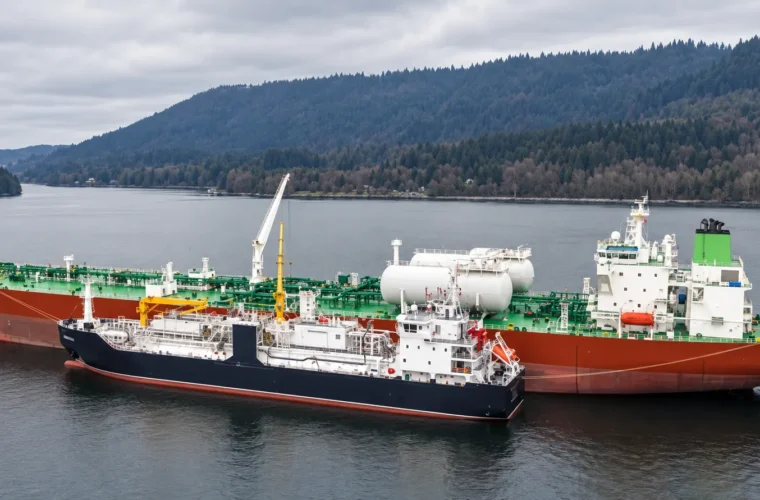
LNG and LPG sit clearly within the HNS framework, while many other flammable, toxic, corrosive and environmentally hazardous substances can also qualify depending on their legal classification.
That creates a broader commercial relevance than the phrase “chemical spill convention” suggests.
HNS exposure can touch:
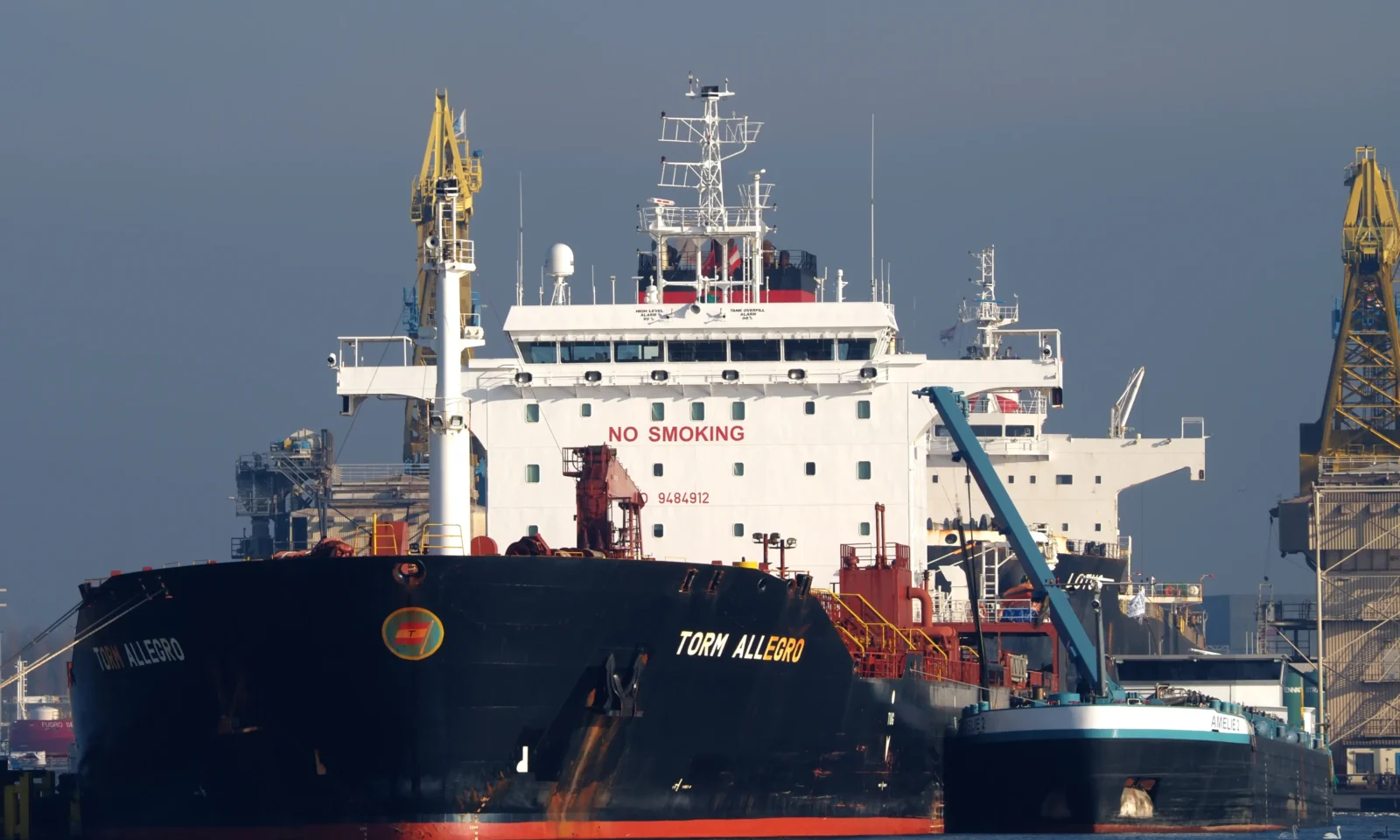
- chemical tankers;
- gas carriers;
- oil and product trades;
- containerships carrying packaged dangerous goods;
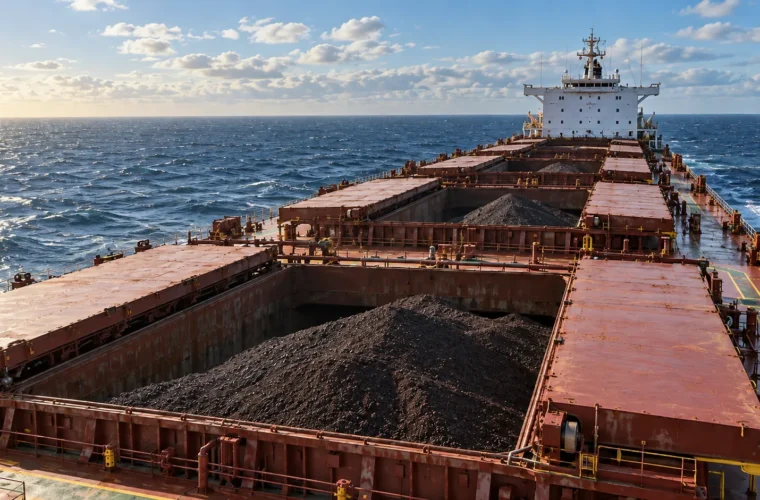
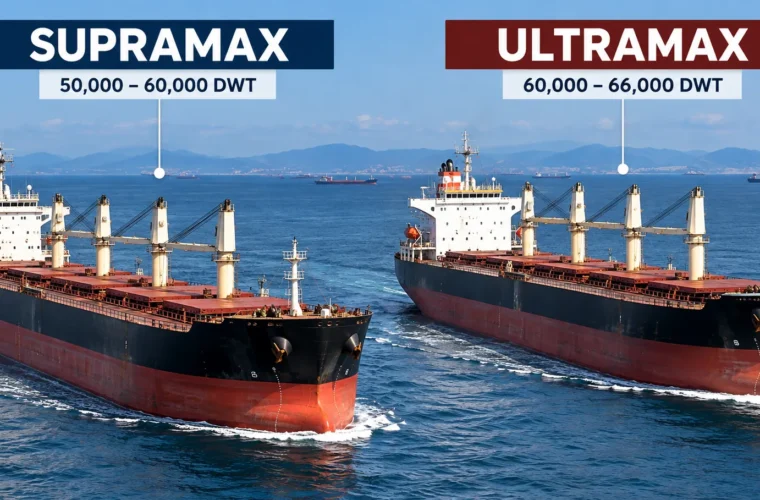
- bulk carriers carrying chemically hazardous bulk cargoes;
- ports and terminals;
- cargo receivers;
- P&I insurers;
- banks, charterers and risk teams reviewing vessel compliance.
What the HNS Convention Does Not Replace
The HNS Convention does not replace safe-carriage or pollution-prevention rules.
It does not remove the need to comply with:
- SOLAS Chapter VII;
- the IMDG Code;
- the IBC Code;
- the IGC Code;
- MARPOL;
- the IMSBC Code;
- flag-State requirements;
- port rules;
- company Safety Management Systems;
- approved cargo procedures.
Its role is to add an international liability, insurance and compensation architecture around qualifying HNS casualties.
HNS Convention 2027: Frequently Asked Questions
When does the HNS Convention enter into force?
The 2010 HNS Convention enters into force on 29 November 2027. The final entry-into-force condition was met on 29 May 2026.
What does HNS mean in shipping?
HNS means hazardous and noxious substances. The Convention covers a broad group of qualifying chemicals, oils, gases, packaged dangerous goods and chemically hazardous solid bulk materials carried by sea.
What is the HNS Fund?
The HNS Fund is the second compensation tier. It can provide additional compensation when the shipowner and insurer tier is insufficient, with total compensation under the Convention capped at 250 million SDR per incident.
What is the HNS shipowner liability limit?
For bulk HNS, the shipowner limit starts at 10 million SDR for ships up to 2,000 GT and rises with tonnage to a maximum of 100 million SDR. Packaged or mixed HNS has a higher formula and a maximum of 115 million SDR.
Will ships need an HNS insurance certificate?
Yes. The Convention requires qualifying insurance or other financial security and an HNS insurance certificate. Ships registered outside States Parties can still face certificate requirements when entering or leaving ports of States Parties.
Who contributes to the HNS Fund?
The Fund is financed through contributions connected with qualifying receipts of bulk HNS in Member States. Packaged HNS remains covered for compensation but is not contributing cargo under the 2010 Protocol.
What are the HNS reporting thresholds?
Official guidance identifies thresholds including more than 20,000 tonnes for the General Account, more than 150,000 tonnes for persistent oil, more than 20,000 tonnes for non-persistent oil, more than 20,000 tonnes for LPG, and any amount for LNG, subject to the Convention’s detailed receiver and titleholder rules.
Does the HNS Convention replace the IMDG Code?
No. The IMDG Code governs the safe carriage of packaged dangerous goods. The HNS Convention governs liability and compensation after qualifying incidents. Both can apply to the same cargo for different purposes.
How many countries have ratified the HNS Convention?
The official HNS status page lists 13 Contracting States as of 30 June 2026. The number may increase before the Convention enters into force.
Where can companies check whether a cargo is HNS?
The official HNS Finder allows users to search substances and check HNS classification and contributing-cargo status.
Primary Sources and Verification
- IMO — HNS treaty to enter into force in 2027 — confirmed 29 November 2027 date, scope, 65,000-ship certificate estimate and 250 million SDR compensation ceiling.
- IMO — HNS Convention overview — two-tier structure, strict liability, compulsory insurance and Convention background.
- HNS Convention — Status — live ratification/accession status and entry-into-force criteria.
- HNS Convention — About the Convention — compensation scope, exclusions, shipowner limits and HNS Fund structure.
- HNS Convention — Reporting and Contributions — receiver reporting, contributing cargo and implementation resources.
- HNS Finder — searchable official HNS classification and contributing-cargo tool.
- 2010 HNS Convention — Consolidated Text — detailed liability formula, limitation, claims and contribution provisions.