Operations / Chartering
Port Delays Turn Waiting Time Into a Commercial Risk
Port delays are not just an operational inconvenience. When vessels wait outside ports, the cost can move into demurrage, laytime disputes, voyage margins, cargo planning and schedule reliability.
In shipping, waiting time looks simple from a distance. A vessel arrives, waits for berth, completes cargo operations and sails again.
Not every delay places a vessel off-hire. Whether hire stops depends on the charterparty wording and the event causing the loss of service. See Tide Signal’s NYPE off-hire clauses and examples.
But commercially, waiting time is rarely simple. Every extra day can affect the vessel schedule, cargo delivery, port costs, laytime calculation, demurrage exposure, bunker planning and the next voyage. What begins as an operational delay can quickly become a commercial problem.
This is why port delays in shipping matter. They are not only about congestion at the berth. They are about how time risk moves through the whole voyage.
Port Delay Snapshot
- Main issue: Vessels lose time waiting for berth, cargo operations, documentation, inspections or inland cargo movement.
- Who is affected: Owners, charterers, operators, agents, terminals, forwarders, cargo interests and receivers.
- Commercial impact: Demurrage, laytime disputes, voyage margins, freight negotiations and schedule reliability.
- Why it matters now: Port congestion, rerouting, cargo surges, inland bottlenecks and terminal pressure can make waiting time harder to predict.
Waiting Time Is Not Empty Time
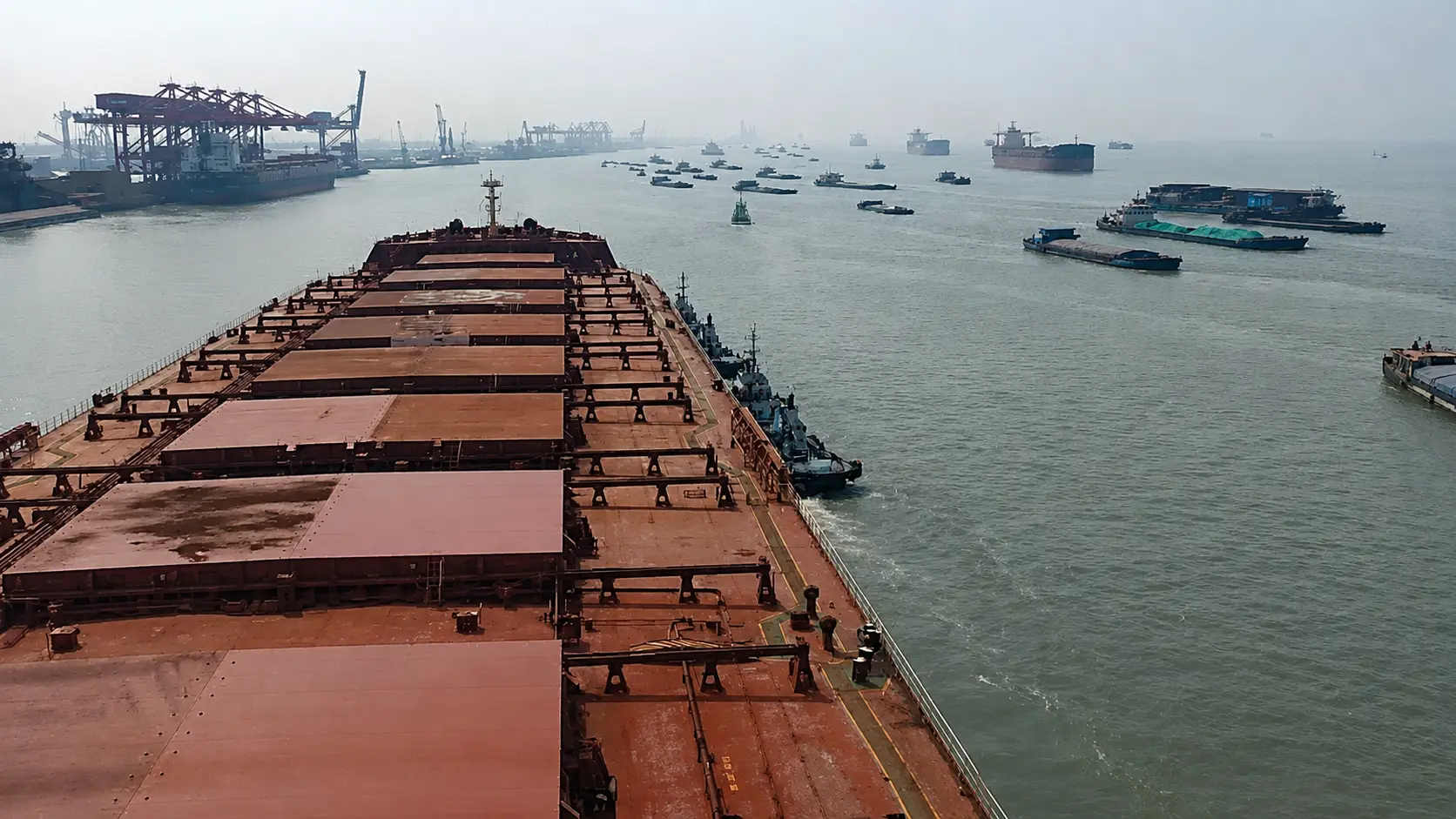
A vessel waiting outside port is still creating cost. The crew is onboard, the vessel is occupied, the schedule is moving, bunkers may still be consumed and the next employment may be affected.
From the owner’s side, a delayed vessel may miss her next fixture or lose positioning advantage. From the charterer’s side, cargo timing may be disrupted, receivers may face inventory pressure and downstream logistics may need to be adjusted.
This is why waiting time cannot be treated as dead time. It is time with financial consequences.
Where Port Delays Come From
Port delays can come from many different causes. Sometimes the port is congested because too many vessels arrive at the same time. Sometimes the terminal has limited berth availability, crane issues or yard pressure. Sometimes cargo cannot move out fast enough because trucks, rail or customs processes are delayed.
Weather, strikes, inspections, documentation problems, draught restrictions and port authority requirements can also create waiting time.
The important point is that the vessel may experience the delay as one result — waiting — even when the real cause sits somewhere else in the port or inland logistics chain.
| Cause | Commercial Effect |
|---|---|
| Berth congestion | The vessel waits before cargo operations can begin. |
| Yard congestion | Cargo cannot move smoothly through the terminal, slowing operations. |
| Crane or equipment issues | Loading or discharging takes longer than planned. |
| Customs or inspection delays | Cargo clearance slows down and storage time may increase. |
| Road or rail bottlenecks | Containers or bulk cargo may stay longer in the terminal area. |
| Weather disruption | Port operations may stop or slow, affecting laytime and schedule. |
The Laytime and Demurrage Question
For chartering, port delays become especially sensitive when laytime and demurrage are involved.
Laytime is the agreed time allowed for loading or discharging. If the operation takes longer than the allowed time, demurrage may become payable, depending on the charterparty and the facts of the case.
This is where an operational delay becomes a commercial argument. The key questions become: when did the vessel arrive, when was notice of readiness valid, when did laytime start, what exceptions apply and who is responsible for the lost time?
A delay that looks obvious on the port side may become much less obvious once the charterparty is read carefully.
Port delay is not only a question of how long the vessel waited. It is a question of who carries the time risk.
Why Charterparty Wording Matters
Port delays are one of the reasons charterparty wording matters so much. A few lines in the contract can decide whether time counts, whether an exception applies and whether demurrage is recoverable.
Owners and charterers may look at the same delay from different angles. The owner may see a vessel kept idle and earning less than expected. The charterer may see port congestion outside its direct control. The cargo receiver may see a logistics problem created by terminal pressure or inland congestion.
This is why clear documentation matters. Statements of facts, notices, port logs, terminal updates and agent messages can become important evidence later.
Schedule Reliability Is Part of the Cost
The cost of port delays is not limited to the port call itself. A delayed vessel can arrive late at the next port, miss a loading window, disrupt cargo planning or force the operator to adjust the voyage plan.
In liner shipping, this can affect service reliability and cargo connections. In tramp shipping, it can affect the next fixture, ballast plan or delivery position. In both cases, time lost at one port can move forward into the next commercial decision.
That is why schedule reliability has become part of commercial value. A vessel that is physically available but commercially delayed is not fully available.
The Hidden Link With Bunkers
Port delays can also affect bunker planning. A vessel may need to wait at anchor, adjust speed, change arrival strategy or remain in a port area longer than expected.
The fuel impact may not always be dramatic, but it still matters. Auxiliary consumption, waiting time, slow steaming decisions and revised ETAs can all change the bunker picture.
When fuel prices are high or bunker availability is tight, this becomes more important. A delay may not only cost time. It may also change the fuel strategy for the voyage.
Port Congestion Can Spread Through the Network
Port congestion is rarely isolated. When vessels are delayed in one place, the effect can move across the network. Ships arrive later at other ports, cargo connections become harder, terminal windows are missed and new congestion can appear downstream.
This is especially important when vessels are rerouted because of disruption elsewhere. A rerouted vessel does not simply disappear from the old route and appear smoothly on the new one. It changes arrival patterns, berth demand and schedule pressure at the ports that receive the extra traffic.
For ship operators, this makes port delay a planning problem as much as a port problem.
What Operators Need to Watch
- Waiting time: How long vessels are waiting before berth or cargo operations.
- Berth productivity: Whether loading or discharging speed is close to expectations.
- Yard density: Whether terminal congestion is slowing cargo movement.
- Inland links: Whether trucks, rail or customs are creating cargo evacuation delays.
- Laytime evidence: Whether notices, statements of facts and agent updates are complete.
- Next employment: Whether the delay affects the vessel’s next voyage or position.
Why Documentation Becomes Critical
When everything goes smoothly, documentation may feel routine. When there is a delay, documentation becomes protection.
The statement of facts should be accurate. Notices should be sent correctly. Agent updates should be saved. Weather stoppages, berth availability, cargo delays and terminal instructions should be recorded clearly.
A weak paper trail can make a real delay harder to prove. A strong paper trail can help the company understand what happened and support later commercial discussions.
The Human Side of Port Delays
Port delays are often discussed in commercial terms, but they also affect people. The crew may face uncertain schedules, changed port stays, late crew changes, additional paperwork and pressure from both vessel and shore.
Masters and officers often sit in the middle of the situation. They must follow port instructions, report accurately, manage onboard expectations and support the company’s documentation needs.
This is why good communication matters. The vessel should not simply be told to “wait”. It should understand the reason for the delay, the likely plan and what information the office needs.
The Tide Signal View
Port delays are one of the clearest examples of how operational events become commercial risk. A few days at anchorage can affect freight, demurrage, bunker planning, cargo delivery and the vessel’s next employment.
The companies that handle this best are usually not the ones that only react after the delay. They are the ones that monitor port conditions early, communicate clearly, protect their documentation and understand how time risk is allocated in the charterparty.
In shipping, time is not just a schedule issue. Time is part of the voyage economics.
Final View
Port delays in shipping should not be treated as routine background noise. They can change the commercial outcome of a voyage.
For owners, they can reduce vessel availability and affect future employment. For charterers, they can create demurrage exposure and cargo planning problems. For operators, they can disrupt schedules, fuel planning and documentation discipline.
The real question is not only how long the vessel waited. The real question is who carried the cost of that waiting time — and whether the voyage still performed as expected.
Sources and Further Reading
- Kuehne+Nagel — Port operational updates from around the world
- Kuehne+Nagel — Port operational updates, 27 May–3 June 2026
- Maersk — Europe Market Update June 2026
- Portcast — Port congestion snapshot and vessel wait times
- Devetak, Verschuur and Klimek — Adaptive rerouting reshapes impacts of maritime chokepoint disruptions