Academy / Operations
Ice Navigation in Shipping: Why Winter Voyages Demand Extra Planning
Ice navigation in shipping is not only a matter of reduced speed. Winter conditions can change the way a vessel is planned, handled, monitored and protected. Ice, freezing spray, poor visibility, low temperatures and restricted manoeuvring space can turn a normal passage into a demanding operation that requires preparation from the bridge, engine room and deck teams.
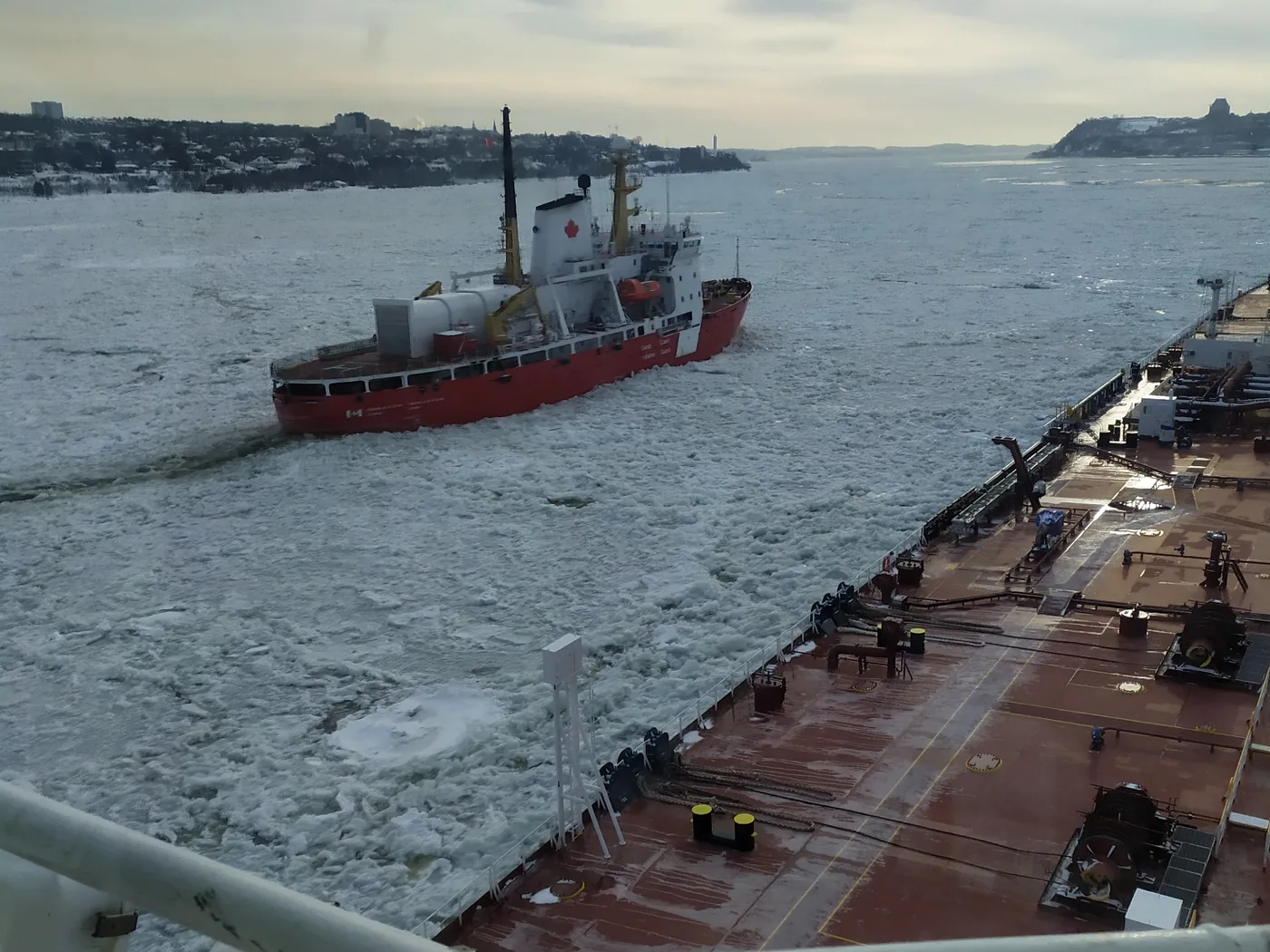
For ships trading in northern waters, winter ports, rivers, canals or ice-prone approaches, navigation can become very different from open-water passage. The vessel may face ice cover, drifting ice, slush, freezing sea spray, reduced visibility, icebreaker instructions, traffic restrictions or delays caused by weather and port conditions.
In these conditions, safe navigation depends on more than the voyage plan on the chart. The master and bridge team must continuously assess the vessel’s position, speed, engine response, rudder effect, traffic situation, weather forecast and the condition of the ice around the ship.
Ice navigation in shipping is therefore a combined operational challenge. It involves seamanship, bridge watchkeeping, machinery readiness, deck safety, voyage planning and commercial judgement.
Operational Note
This Tide Signal Academy guide is written from a practical maritime perspective. It is not a substitute for the vessel’s Safety Management System, approved voyage plan, flag or class requirements, company procedures, local ice navigation instructions, icebreaker guidance or the master’s final judgement.
Ice Navigation Snapshot
- Main issue: Ice and freezing conditions reduce the margin for normal navigation and ship handling.
- Bridge focus: Speed, visibility, traffic, ice movement, position monitoring and communication.
- Engine room focus: Engine readiness, cooling systems, fuel condition, heating, alarms and emergency response.
- Deck focus: Icing, slippery surfaces, frozen equipment, mooring safety and crew exposure.
- Commercial impact: Delay, extra fuel, port restrictions, icebreaker waiting time and schedule uncertainty.
What Is Ice Navigation in Shipping?
Ice navigation in shipping refers to vessel operation in waters where ice, freezing temperatures or winter conditions affect the safe conduct of the voyage. This may involve navigation through broken ice, brash ice, slush, ice-covered channels, frozen approaches, rivers, lakes or port areas with restricted movement.
The vessel does not need to be in polar waters for winter navigation to become demanding. Many commercial ships face challenging ice or freezing conditions in ports, channels and coastal areas during winter.
The key difference from normal navigation is that the ship may not respond in the same way. Speed reduction, limited steering effect, ice pressure, poor visibility and other vessel traffic can all reduce the time available for decision-making.
Why Ice Changes the Voyage Plan
A normal voyage plan assumes that the vessel can maintain expected speed, follow planned tracks and adjust course or speed with reasonable predictability. Ice can change all of that.
In ice conditions, the bridge team may need to reduce speed, follow recommended routes, wait for icebreaker assistance, avoid heavier ice, maintain greater distance from other vessels and adjust the passage plan as conditions change.
The voyage plan should therefore include more than route lines. It should consider ice information, weather forecasts, expected temperature, visibility, traffic, contingency areas, engine readiness and communication procedures with VTS, pilots or icebreakers.
Main Risks in Ice Navigation
| Risk Area | Why It Matters |
|---|---|
| Reduced manoeuvrability | Ice can affect steering response, turning ability and stopping distance, especially at low speeds or in confined waters. |
| Hull and equipment damage | Contact with ice may damage hull plating, propeller, rudder, sea chests, sensors or deck equipment if limits are exceeded. |
| Poor visibility | Snow, freezing fog, darkness and glare can reduce visual detection of ice, buoys, small craft and other vessels. |
| Engine strain | Frequent speed changes, ice resistance and manoeuvring can increase demand on main engine and auxiliary systems. |
| Deck icing | Ice accumulation can make decks slippery, block equipment and create safety hazards for crew working outside. |
| Traffic congestion | Ships may be grouped, slowed, routed or queued for icebreaker assistance, increasing collision and delay risk. |
| Commercial delay | Ice restrictions, waiting time and slower transit can affect laycan, cargo operations, port rotation and voyage economics. |
Bridge Watchkeeping in Ice Conditions
Bridge watchkeeping becomes more demanding in ice conditions because the visual and operational picture can change quickly. The bridge team must monitor the vessel’s track, speed, ice movement, traffic, visibility, engine response and under-keel clearance where relevant.
Radar can assist, but it does not replace visual assessment and seamanship. Ice, clutter, snowfall and small targets can make interpretation difficult. The officer of the watch must understand what the radar is showing and what it may not be showing clearly.
In restricted waters, the master may need to be on the bridge for long periods. Extra lookout support, clear helm orders, careful position monitoring and continuous communication with the engine room may be required.
Speed Control Is the First Safety Tool
Speed is one of the most important controls in ice navigation. Too much speed can increase impact forces and reduce reaction time. Too little speed can reduce steering control and make the vessel vulnerable to ice pressure, wind or current.
The correct speed depends on the vessel, ice condition, visibility, traffic, available sea room and local instructions. It is not a fixed number. The bridge team must continuously adjust speed to match the real situation around the vessel.
In ice conditions, good ship handling often means patience. Forcing the vessel through unsuitable ice or rushing a restricted passage can increase the risk of damage, grounding, collision or delay.
Editor’s View
The safest winter passages are rarely the fastest ones. Ice navigation rewards early planning, calm bridge teamwork and respect for the vessel’s limits. When the margin is small, speed control becomes seamanship.
Engine Readiness and Machinery Concerns
Ice navigation is not only a bridge issue. The engine room must be ready for frequent speed changes, possible manoeuvring, heating requirements and increased operational demand.
Engineers should pay attention to main engine readiness, steering gear, generators, sea water cooling arrangements, fuel condition, heating systems, alarms, emergency equipment and any machinery that may be affected by low temperatures.
Communication between bridge and engine room is especially important. The bridge may require rapid changes of speed or engine status, and the engine room should understand the navigational situation as much as possible.
Deck Safety in Freezing Conditions
Winter operations can make deck work more dangerous. Ice on deck, frozen fittings, slippery ladders, poor visibility, cold stress and heavy clothing can all reduce crew mobility and increase accident risk.
Mooring operations are particularly sensitive. Frozen ropes, icy decks, reduced grip, poor communication and exposure to wind or spray can create dangerous conditions for the deck crew.
Before arrival or departure in freezing conditions, the crew should check access routes, mooring stations, safety equipment, lighting, handrails, escape routes and any equipment needed for ice or snow removal.
Practical Ice Navigation Checklist
- Review ice reports, weather forecasts and local navigation warnings.
- Confirm whether icebreaker assistance or convoy instructions may apply.
- Check the vessel’s ice class, operating limits and company procedures.
- Prepare a realistic voyage plan with contingency options.
- Brief the bridge team on speed, lookout, communications and traffic risk.
- Keep the engine room informed about expected manoeuvring and ice conditions.
- Monitor radar, visual observations, position and surrounding traffic continuously.
- Control speed according to actual ice, visibility and vessel response.
- Check deck access, mooring stations, lighting and anti-slip measures.
- Prepare for delays caused by ice, port restrictions or icebreaker waiting time.
Ice Class, Winterisation and Vessel Limits
Not every vessel is designed for the same ice conditions. Ice class, hull strength, propulsion arrangement, machinery protection and winterisation measures can all affect what a ship can safely do.
The bridge team must understand the vessel’s limits. A ship may be able to navigate in light ice or broken ice, but that does not mean it is suitable for heavier ice conditions or prolonged exposure to freezing weather.
Winterisation is also important. Equipment that works normally in mild weather may become unreliable when temperatures drop. Heating, insulation, protection of exposed systems and regular checks can make the difference between a controlled operation and a breakdown.
Communication With VTS, Icebreakers and Other Ships
Ice navigation often requires close communication with external parties. VTS, pilots, port authorities, icebreakers and nearby vessels may all provide important information.
In some areas, ships may be instructed to follow specific routes, join convoys, wait for assistance or maintain certain distances. These instructions should be clearly understood and repeated back when necessary.
Communication between ships is also important. In restricted ice channels, unexpected manoeuvres can create risk for following or meeting vessels. Clear intentions and early communication reduce uncertainty.
Commercial Impact of Ice Navigation
Ice navigation is not only a safety issue. It also affects the commercial side of shipping. Slower speed, waiting for icebreaker assistance, port restrictions, freezing equipment, pilot delays and weather interruptions can all affect voyage timing.
A winter voyage may require extra fuel, more time, additional port planning and wider schedule margins. Charterers, operators and cargo interests should understand that winter conditions can reduce predictability even when the vessel is technically capable of completing the voyage.
This is why ice navigation should be treated as an operational risk factor in voyage planning, not as a last-minute weather inconvenience.
Operational Risk vs Commercial Effect
| Winter Issue | Possible Commercial Effect |
|---|---|
| Reduced speed in ice | Longer voyage time and possible delay to laycan, berth window or cargo delivery. |
| Icebreaker waiting time | Unplanned idle time, schedule pressure and possible demurrage exposure. |
| Port ice restrictions | Delayed arrival, altered port rotation or need for updated voyage instructions. |
| Deck icing | Slower cargo or mooring operations and increased safety risk for crew. |
| Machinery affected by cold | Maintenance delays, operational interruption or increased fuel and heating demand. |
| Visibility restrictions | Reduced traffic flow, slower transit and increased need for cautious navigation. |
The Human Factor in Winter Navigation
Winter operations can be physically and mentally demanding. Cold, darkness, poor visibility, slippery decks and prolonged attention on the bridge can increase fatigue.
The crew must be briefed properly, especially before mooring, anchoring, pilotage, deck checks or any operation that exposes people to freezing conditions.
Good winter navigation is not only about the vessel’s equipment. It is also about keeping the crew alert, protected and ready to respond.
What Operators Should Watch
- Whether the vessel is suitable for the expected ice conditions.
- Whether the voyage plan includes realistic winter margins.
- Whether port restrictions or icebreaker requirements may affect timing.
- Whether cargo schedules reflect possible ice delays.
- Whether the crew has sufficient guidance for cold weather operations.
- Whether machinery and deck equipment are protected against freezing.
- Whether communications with local authorities and ice services are clear.
When the Safer Decision Is to Wait
In ice navigation, waiting can be the correct operational decision. A vessel may need to wait for daylight, better visibility, updated ice information, pilot availability, icebreaker support or improved weather.
Waiting may create commercial pressure, but forcing a passage in poor conditions can create larger consequences: damage, grounding, collision, machinery problems or unsafe deck operations.
The safest winter voyages are built on realistic judgement. The vessel should not be pushed beyond her limits because the schedule looks tight.
Final View
Ice navigation is not a special skill used only in extreme polar waters. For many commercial ships, winter navigation is a practical operational reality. It demands planning, patience, communication and respect for the vessel’s limits.
Final Thoughts
Ice navigation in shipping requires more than a line on a chart. It requires preparation across the bridge, engine room and deck.
The bridge team must manage speed, position, traffic and ice conditions. The engine room must stay ready for manoeuvring and cold-weather demands. The deck crew must work safely in freezing conditions.
In winter voyages, safety depends on early planning and continuous judgement. Ice does not remove commercial pressure, but it changes the way that pressure should be managed.
FAQ: Ice Navigation in Shipping
What is ice navigation in shipping?
Ice navigation in shipping is the operation of a vessel in waters where ice, freezing temperatures or winter conditions affect safe passage, manoeuvring and voyage planning.
Why is ice navigation dangerous?
Ice navigation can reduce manoeuvrability, increase stopping distance, damage hull or equipment, affect visibility, create deck hazards and delay normal vessel movement.
Does a vessel need ice class for all winter voyages?
Not every winter voyage requires ice class, but the vessel must be suitable for the expected conditions and must follow company, class, flag, local and operational requirements.
Why is speed control important in ice?
Speed control is important because excessive speed can increase impact forces, while very low speed may reduce steering control. The correct speed depends on ice, visibility, traffic and vessel response.
How does ice navigation affect shipping schedules?
Ice navigation can slow the voyage, create waiting time for icebreakers, delay pilotage or port entry, increase fuel use and affect berth windows, laycan and cargo delivery.
What should crews prepare before winter navigation?
Crews should review the voyage plan, ice reports, weather forecasts, machinery readiness, bridge procedures, deck safety, mooring stations, communication plans and emergency arrangements.