Markets / Finance
Hormuz Shipping Risk: Open Water Does Not Mean Normal Trade
The Strait of Hormuz may reopen on paper, but shipping confidence does not return through announcements alone. For owners, crews, insurers and charterers, the real question is whether the route can become safe, predictable and commercially workable again.
The Strait of Hormuz is not just a line on a map. For global shipping, it is one of the world’s most sensitive chokepoints, especially for oil, LNG and energy-linked trade.
A political announcement may suggest that the route is reopening. The shipping market usually waits for something more practical: verified safe passage, clear instructions, workable insurance terms and confidence that vessels can transit without every voyage being treated as an exception.
That is why Hormuz shipping risk can remain even after the first positive headlines. Markets may react quickly, but owners, charterers, masters and underwriters do not reset their risk assumptions overnight.
Hormuz Shipping Snapshot
- Main issue: Reopening does not automatically mean normal shipping.
- Who is watching: Owners, charterers, insurers, crews, traders and energy buyers.
- Main risks: War risk, mine risk, route safety, insurance cost, crew exposure and operational uncertainty.
- Market signal: Traffic can return faster than confidence.
Open Does Not Always Mean Normal
In shipping, there is a major difference between a waterway being open and a waterway being normal.
A vessel may be allowed to pass, but that does not automatically mean owners, crews, insurers and charterers are comfortable sending ships through the area as part of ordinary voyage planning.
Normal shipping needs more than access. It needs predictability. Operators need to know that routes are safe, instructions are clear, insurance is available at acceptable cost and the risk will not suddenly change while the vessel is already committed.
This is why major shipping companies often move carefully after a security shock. A positive diplomatic development may reduce pressure, but it does not immediately remove the operational memory of disruption.
Editor’s View
The headline may reopen the route. The market decides when the route feels normal. For shipping, confidence is built through repeated safe transits, stable insurance terms and charterers willing to fix cargoes without heavy risk assumptions.
Why Operators Stay Cautious
Caution in a high-risk waterway is not weakness. It is maritime risk management.
A company can welcome a reopening agreement and still avoid changing operations until the practical details are clear. Operators will ask direct questions before adjusting voyage plans.
Are safe lanes verified? Are naval or port instructions clear? Are mine, military and security risks fully understood? Are insurers ready to cover the transit at workable cost? Are crews protected? Are charterers willing to fix cargoes through the area without pricing in excessive uncertainty?
Until those answers become stronger, Hormuz may remain commercially sensitive even if the political situation appears to improve.
Insurance Turns Risk Into Cost
Insurance is where maritime risk becomes money.
If underwriters still view Hormuz as unstable, war risk premiums can remain elevated even after traffic starts moving again. For owners and charterers, this matters directly.
Higher war risk cost can affect freight discussions, voyage economics, fixture negotiations and the willingness to send ships through the area at all.
The return of normal shipping is therefore not measured only by vessel count. It is also measured by whether insurance costs, war risk terms and contractual concerns begin to fall back into a range the market can accept.
What the Market Will Watch
| Signal | Why It Matters |
|---|---|
| Verified safe passage | Owners and masters need confidence that the route is practically safe, not only officially open. |
| War risk premiums | Insurance pricing shows whether underwriters believe the risk has genuinely reduced. |
| Charterer confidence | Charterers may still price uncertainty into fixtures if the route remains sensitive. |
| Crew safety | Transit decisions must consider the people onboard, not only cargo value or freight economics. |
| Tanker and LNG flows | Hormuz is central to energy trade, so tanker and LNG movements will be watched closely. |
| Bunker and voyage cost | Waiting time, deviation, insurance and risk premiums can all change the real cost of a voyage. |
Crew Safety Comes Before the Market Signal
From shore, Hormuz can look like a market headline. For the people onboard, it is a real transit through a sensitive area.
That is why crew safety remains central to the shipping decision. Masters and operators need practical guidance, not only political statements.
They need to know what reporting is required, what routes are considered safe, what naval presence exists and what procedures apply if the situation changes during the voyage.
Confidence returns when crews, owners and operators no longer feel that every passage is a special case.
Tankers, LNG and Bunkers
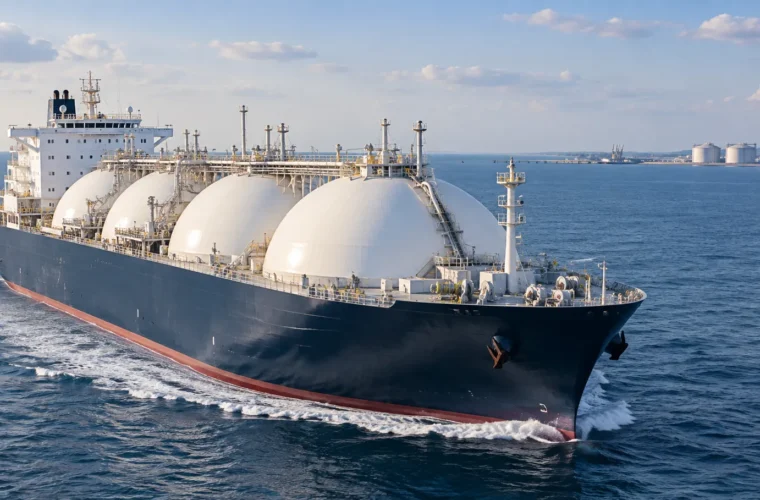
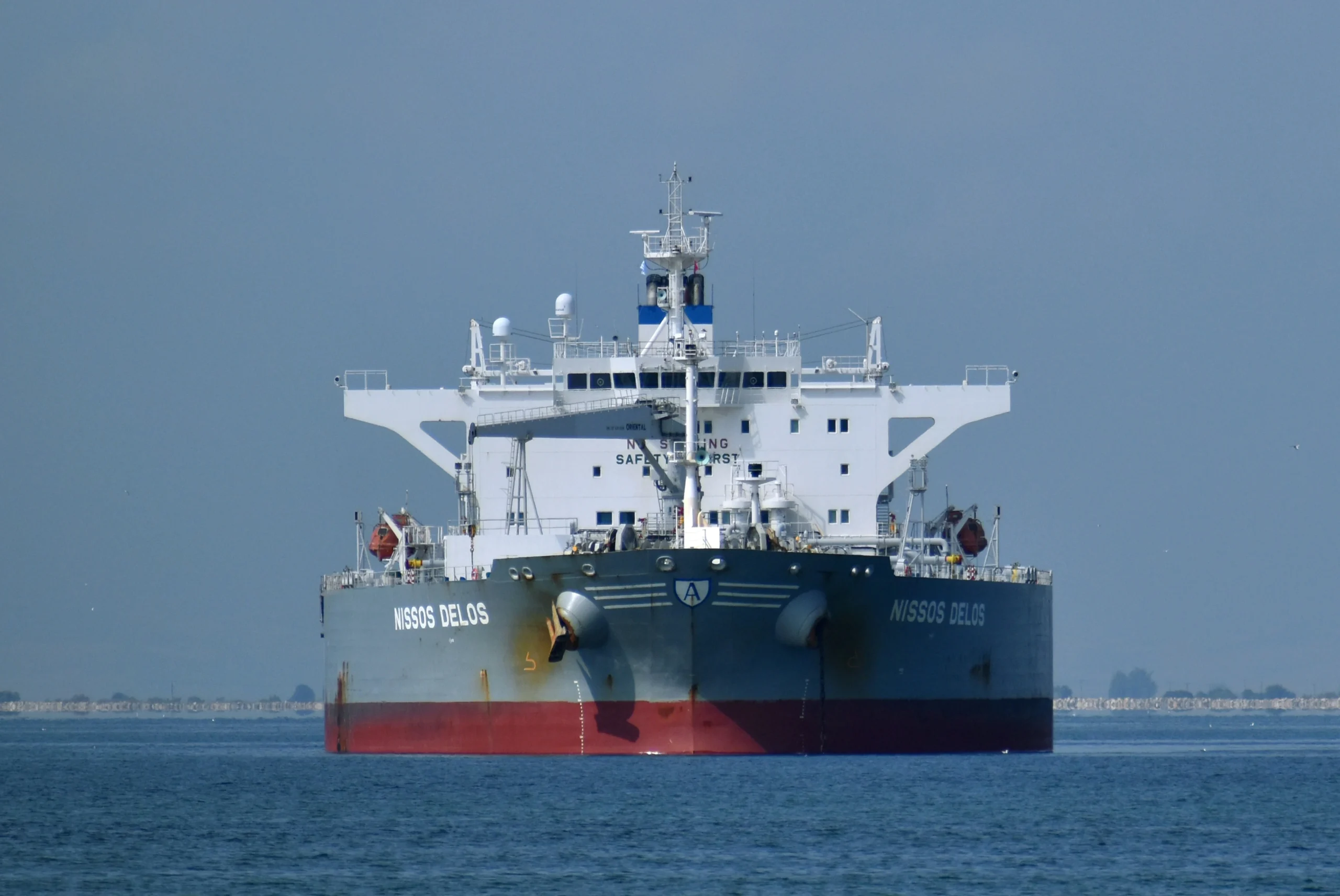
Hormuz matters because of the cargoes that move through it. Oil and LNG flows are highly sensitive to route risk, and even limited uncertainty can influence freight, energy pricing and voyage planning.
The effect can also move into bunkers. If vessels wait, deviate or carry higher insurance costs, the pressure appears in voyage economics.
A route may be geographically short, but commercially expensive if the risk premium remains high. Oil prices may react quickly to a reopening story. Shipping companies still need to decide vessel by vessel whether the route is workable.
The Practical Shipping Question
Can a vessel transit Hormuz without the voyage being treated as an exception? Until owners, crews, insurers and charterers stop adding special risk assumptions, the route may be open but not fully normal.
Why Confidence Takes Longer
Confidence in shipping is practical. It is built from repeated safe voyages, stable insurance terms, clear communication and charterers willing to move cargo without excessive clauses or hesitation.
A single successful transit helps, but it does not settle the market. The real test is whether more vessels follow, whether underwriters reduce premiums, whether operators stop adjusting voyage plans around uncertainty and whether charterers treat the route as routine again.
That is why Hormuz can reopen before it feels normal. Traffic may return first. Confidence comes later.
The Tide Signal View
For shipping, the real reopening of Hormuz is not only about access. It is about trust.
If vessels can pass but insurance remains expensive, crews remain exposed, charterers remain hesitant and operators continue to plan around uncertainty, the market will still treat the route as high-risk.
The strongest signal will not be the first vessel through the waterway. It will be the moment when Hormuz becomes routine again in voyage planning, chartering and insurance.
Final View
A strait can reopen on paper faster than confidence can return at sea. For shipping, normality begins when safe passage is not only possible, but predictable.
Sources and Further Reading
- Reuters — Maersk welcomes US-Iran deal, but makes no change to Middle East operation yet
- Reuters — Global shippers cautious on Hormuz transit despite deal
- Reuters — Scouring the Strait of Hormuz for mines could take weeks
- Reuters — Maritime insurance premiums surge as Iran conflict widens
- International Maritime Organization