A third reported attack involving an ADNOC vessel in less than a week is pushing the Strait of Hormuz deeper into the commercial decision-making of owners, charterers and insurers. The waterway does not have to close completely for Gulf shipping to become slower, scarcer and materially more expensive.
What Happened
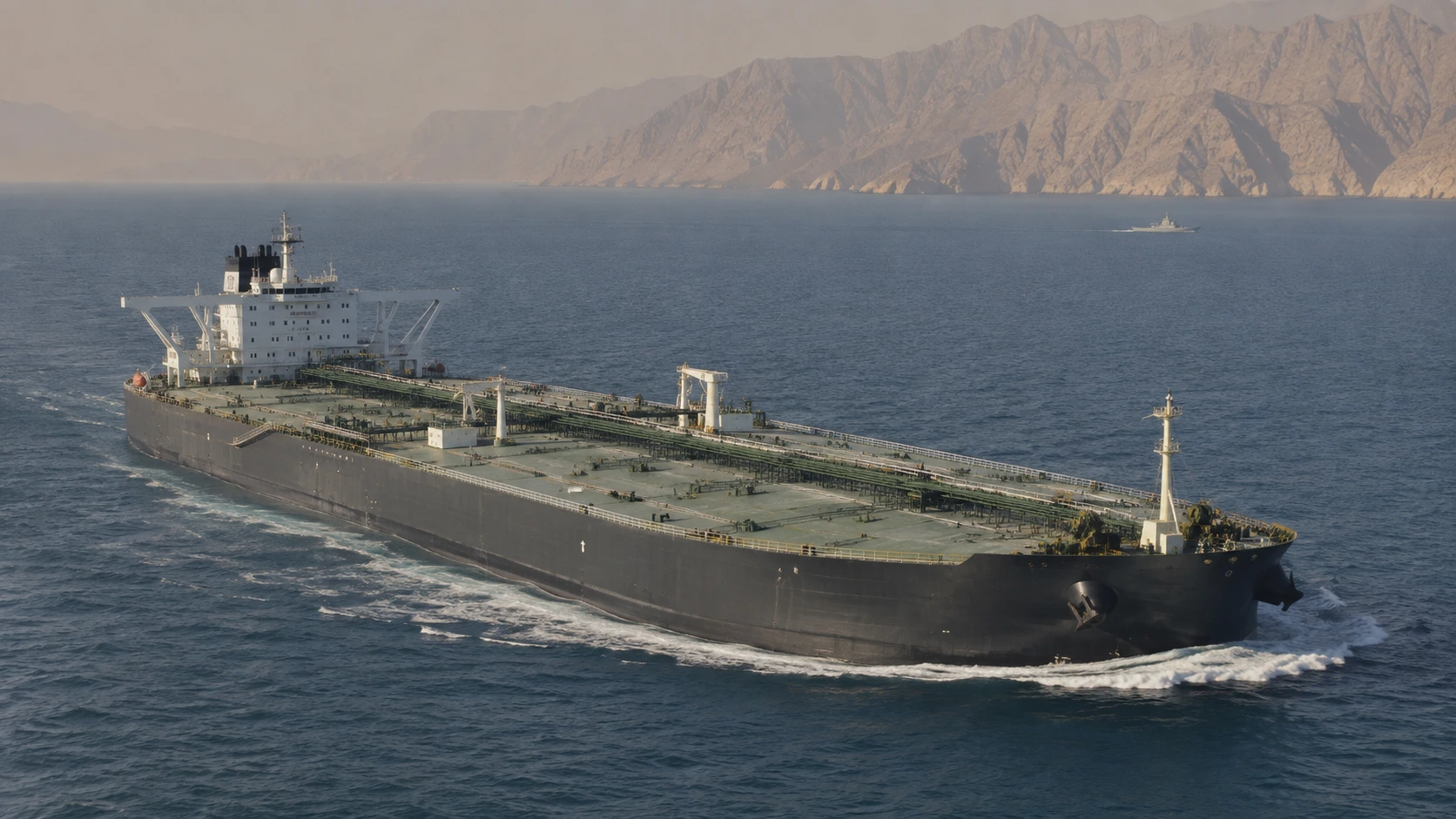
The United Arab Emirates said on 15 August that Iran had attacked a vessel operated by Abu Dhabi National Oil Company while it was transiting the Strait of Hormuz on the previous day. ADNOC reported no injuries and said the situation was under control.
The UAE called on Tehran to stop the attacks, end hostilities and fully reopen the waterway. Iran had not issued an immediate response when the incident was reported. It was the third incident involving ADNOC vessels in less than a week for which the UAE had attributed responsibility to Iran.
Separately, the United Kingdom Maritime Trade Operations agency received a report that a bulk carrier had been struck by an unidentified projectile in the strait on 14 August. At the time of reporting, it was unclear whether this was the same vessel or a separate incident.
The incident, the absence of reported injuries and ADNOC’s statement that the situation was controlled were reported through the UAE state news agency and carried by Reuters. Attribution to Iran is the position of the UAE authorities. No Iranian response was available in the initial report. Tide Signal has therefore treated the attack, its attribution and the separate UKMTO report as distinct facts.
The immediate security outcome matters, but the commercial significance is wider. Repeated attacks change the probability assigned to the next voyage. They can influence whether an owner offers a ship, whether an insurer confirms cover, whether a master considers an order acceptable and whether a charterer can still move a cargo within the original laycan and budget.
The Strait Can Remain Open While the Market Tightens
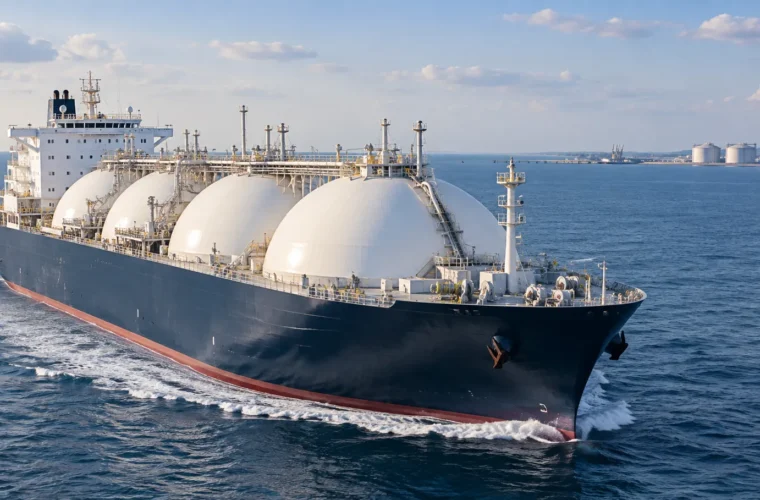
Hormuz is not simply another narrow passage. The International Energy Agency estimates that around 20 million barrels per day of crude oil and petroleum products moved through it in 2025, equal to roughly one quarter of global seaborne oil trade. Nearly one fifth of global LNG trade also uses the route, largely because Qatari and UAE export facilities have no equivalent seaborne alternative.
Those figures explain why the shipping market reacts before a formal closure. A waterway can remain technically navigable while becoming commercially restricted by company approvals, naval guidance, underwriter conditions and the willingness of crews and owners to accept the exposure.
This distinction is central to understanding how maritime chokepoints shape freight and operational risk. Physical access is only one part of availability. Confidence is another.
The key market signal is no longer whether a single ship can complete a transit. It is how many commercially acceptable ships remain available for the next cargo. If the pool of approved tonnage shrinks faster than cargo demand, freight can rise even without a total closure.
Why Chartering Becomes More Difficult
In a normal fixture, chartering teams compare vessel position, laycan, freight, suitability and counterparty quality. In a high-risk Gulf voyage, the fixture also becomes dependent on a chain of conditional approvals.
The owner may require internal security clearance. The war-risk insurer may impose a short quotation validity, additional conditions or a sharply higher premium. The P&I club, technical manager and flag administration may need to be consulted. Crew-related arrangements may include additional compensation, consent procedures or repatriation concerns. A charterer that has secured discounted cargo can therefore discover that transport availability—not the commodity price—is the limiting factor.
The reported $25 million VLCC voyage for Iraqi crude already demonstrated how this mechanism can reprice a cargo movement. Repeated attacks strengthen the commercial logic behind such extreme numbers: fewer willing vessels, shorter decision windows and a larger risk premium concentrated into each voyage.
| Pressure point | What changes | Commercial consequence |
|---|---|---|
| Vessel availability | Some owners decline the employment or wait for clearer security guidance. | The effective supply of suitable tonnage falls. |
| Insurance | War-risk quotations, cover conditions and notice periods become more volatile. | Voyage costs can change between indication and final fixture. |
| Timing | Approvals, convoy arrangements, waiting or route instructions delay the ship. | Laycan, demurrage and downstream delivery exposure increase. |
| Contract terms | War-risk clauses, safe-port wording and cancellation rights receive greater scrutiny. | The headline freight rate no longer describes the full economic deal. |
The Charterparty Is Now Part of the Security Response
The commercial rights of the parties depend on the exact charterparty, including any amendments and rider clauses. This is particularly important because a security incident does not automatically produce the same legal outcome in every fixture.
BIMCO advised owners and charterers in March 2026 to review existing and future charterparties carefully in light of security concerns across the Persian Gulf and surrounding waters. Under unamended VOYWAR 2025 wording, owners may have contractual mechanisms to refuse or withdraw from a voyage, seek alternative orders or deviate when the vessel, cargo or crew may be exposed to defined war risks. The assessment must be reasonable and based on the specific circumstances.
Time-charter employment raises a related but different set of questions under CONWARTIME wording: whether owners can refuse an order, whether the vessel remains on hire, who bears additional insurance costs and how the clause interacts with trading limits and bespoke amendments.
Force majeure should not be treated as a universal answer. BIMCO notes that greater danger or expense does not, by itself, automatically excuse performance. Notice provisions, mitigation duties and the actual effect on contractual performance still matter.
The clauses commercial teams should check
- VOYWAR or CONWARTIME edition and any negotiated amendments.
- Trading limits and any specific Persian Gulf exclusions.
- Allocation and evidence of additional war-risk insurance costs.
- Crew bonus, kidnap and ransom cover, and security-related expenses.
- Deviation, alternative orders and safe-port nomination procedures.
- Laycan, cancellation, off-hire, demurrage and delay consequences.
- Notice requirements and the records needed to support a decision.
Who Carries the Cost?
The first answer may appear simple: the charterer pays the freight and any agreed additional premiums. In practice, the cost can spread across the transaction.
Owners carry the exposure of placing the vessel, crew and asset in the area. Charterers may pay higher freight, insurance-related amounts or additional waiting costs. Cargo interests face delayed liftings and uncertain delivery. Refineries may have to replace barrels from more distant origins. Banks and insurers face a moving assessment of asset, counterparty and sanctions risk.
Some costs are visible in the fixture. Others appear later through lost utilisation, a missed next employment, extended port time or a vessel that ends the voyage in the wrong position. That is why the true cost of Hormuz risk cannot be measured only by the headline premium.
What Shipping Companies Should Watch Next
The Wider Market Signal
The third reported attack involving ADNOC tonnage does not prove that every Gulf voyage will be cancelled or that all freight rates will move in the same direction. Vessel class, cargo, ownership, flag, insurance position and timing all matter.
It does, however, raise the threshold for commercial confidence. Each new incident gives owners and underwriters another reason to reassess exposure. Each reassessment can remove tonnage temporarily from the workable market. And each reduction in workable tonnage increases the bargaining power of the ships that remain available.
For charterers, the challenge is securing transport before the economics of the cargo change. For owners, it is deciding whether the premium properly compensates for an exposure that may be difficult to quantify. For insurers, it is determining whether yesterday’s terms still describe today’s risk.
Hormuz does not need to be completely closed to produce a chartering crisis. The market tightens when passage remains possible but acceptable ships, cover and approvals become scarce. After three reported incidents involving ADNOC vessels in less than a week, that scarcity—not only the security headline—is the signal shipping companies should watch.
Sources and Further Reading
- Reuters: UAE reports attack on ADNOC vessel in Hormuz
- International Energy Agency: Strait of Hormuz factsheet
- BIMCO: Guidance on war-risk clauses and Gulf security
- BIMCO: VOYWAR 2025
Reporting status: 15 August 2026. Commercial and contractual observations are general analysis and do not constitute legal or insurance advice.